

Luxury Vinyl Flooring Pros and Cons: Is LVT Really a Good Choice?

Luxurious Vinyl flooring, typically known as LVT, has turn out to be one of the most famous flooring picks for cutting-edge homes and business areas. Owners love its elegant appearance, sturdiness, and affordability, whilst designers recognize its versatility. However with all of the hype around LVT, an essential query stays: Is luxurious vinyl floors simply appropriate, or does it include hidden drawbacks?
In this in-intensity manual, we’ll discover what Luxury Vinyl Flooring Pros and Cons is, its key advantages and drawbacks, and whether or not it’s the right fit for your own home or commercial enterprise.
What Is Luxury Vinyl Flooring (LVT)?
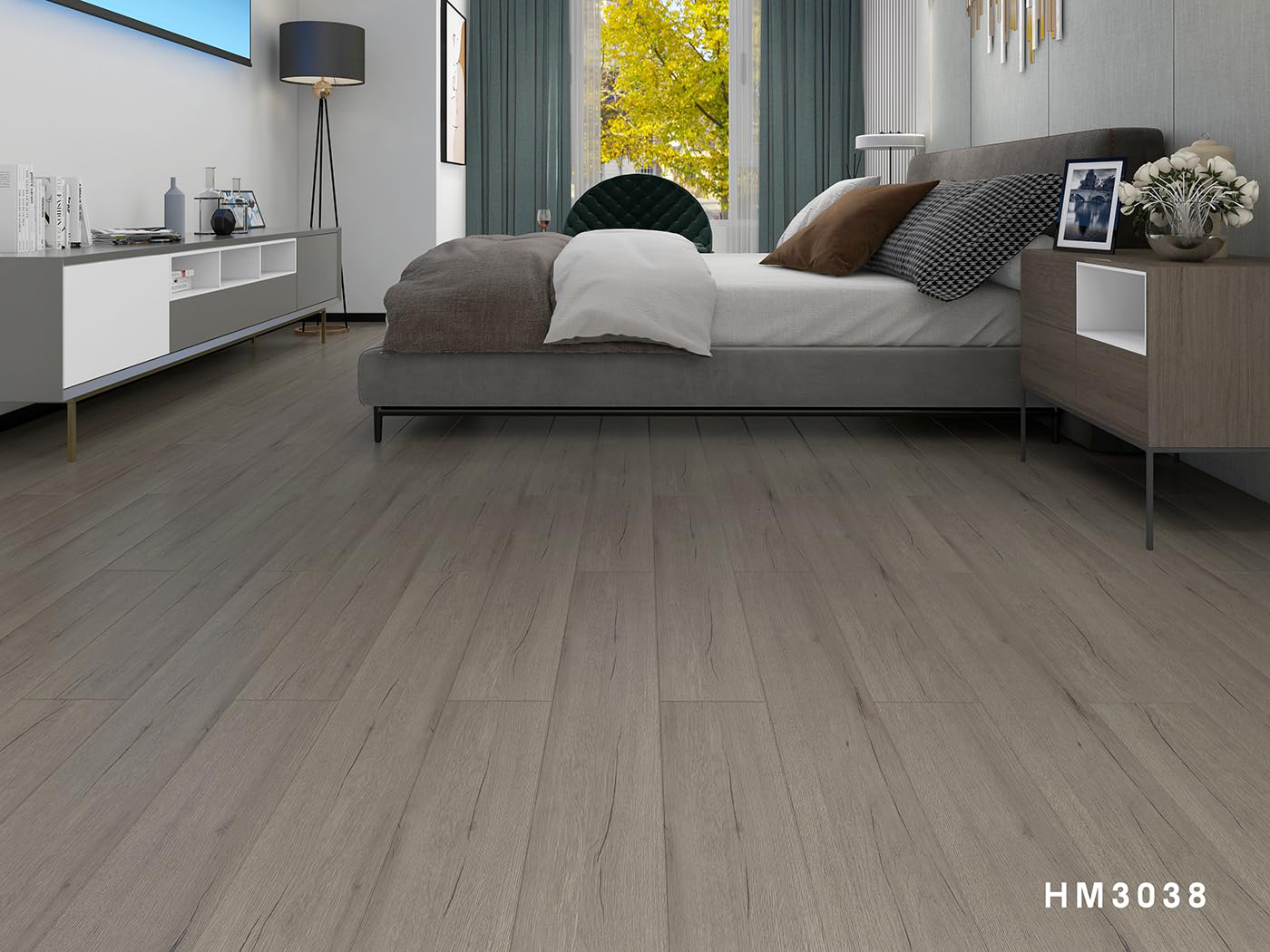
Luxurious Vinyl flooring is a tremendous artificial floors fabric designed to realistically mimic herbal surfaces which includes hardwood, stone, marble, or ceramic tiles. Not like traditional vinyl sheets, LVT comes in planks (LVP) or tiles, imparting advanced layout freedom and a more top rate appearance.
Basic Structure of LVT Flooring
LVT is typically made of multiple layers:
-
Wear Layer – Protects against scratches, stains, and daily wear
-
Design Layer – High-resolution print that mimics wood or stone
-
Core Layer – Adds stability and water resistance
-
Backing Layer – Improves comfort and sound absorption
This layered construction is what makes LVT durable, attractive, and adaptable.
Pros of Luxury Vinyl Flooring
1. Exceptional Water Resistance
One of the biggest strengths of LVT flooring is that it is water-resistant or even 100% waterproof (in SPC/WPC variants). This makes it ideal for:
-
Kitchens
-
Bathrooms
-
Basements
-
Laundry rooms
Unlike hardwood or laminate, LVT won’t swell, warp, or crack when exposed to moisture.
2. Realistic Look of Wood and Stone
Modern manufacturing technology allows LVT to closely resemble natural materials. From oak and walnut wood grains to marble and slate finishes, LVT delivers a luxury look without natural material drawbacks.
Many homeowners find it difficult to distinguish high-end LVT from real hardwood unless they touch it.
3. Durability for High-Traffic Areas
LVT is built to last. Thanks to its strong wear layer, it resists:
-
Scratches from pets
-
Scuffs from furniture
-
Daily foot traffic
This makes it an excellent option for homes with children, pets, or commercial environments like offices, retail stores, and restaurants.
4. Comfortable Underfoot
Compared to tile or stone flooring, luxury vinyl feels softer and warmer underfoot. Some LVT types include cushioned backing, which reduces impact on joints and makes standing for long periods more comfortable.
5. Easy Installation Options
LVT flooring is known for installation flexibility:
-
Click-lock (floating floors)
-
Glue-down
-
Loose-lay
Click-lock LVT is particularly popular for DIY homeowners because it doesn’t require nails or adhesives and can often be installed over existing floors.
6. Low Maintenance
LVT flooring is extremely easy to maintain. Regular sweeping and occasional mopping are enough to keep it looking new. There’s no need for sanding, sealing, or polishing like hardwood.
7. Budget-Friendly Luxury
One of the main reasons people choose LVT is its cost-effectiveness. You get a premium look at a fraction of the cost of:
-
Hardwood flooring
-
Marble or stone tiles
LVT also helps save on installation and maintenance costs over time.
8. Wide Range of Styles & Sizes
Luxury vinyl flooring comes in countless:
-
Colors
-
Textures
-
Plank and tile sizes
-
Patterns like herringbone or chevron
This design flexibility makes it suitable for both modern and traditional interiors.
Cons of Luxury Vinyl Flooring
While LVT has many advantages, it’s important to understand its limitations before making a decision.
1. Not a Natural Material
Even though LVT looks like wood or stone, it is still synthetic. For homeowners who value authentic, natural materials or eco-friendly construction, LVT may not fully satisfy that preference.
2. Sensitive to Extreme Heat and Sunlight
Prolonged exposure to direct sunlight or high temperatures may cause fading or slight expansion in lower-quality LVT. Installing UV-protected windows or using blinds can reduce this risk.
3. Subfloor Imperfections Can Show Through
Although LVT is flexible, uneven or damaged subfloors can sometimes telegraph through the surface. Proper subfloor preparation is essential for a smooth, professional finish.
4. Difficult to Repair Damaged Sections
While individual planks can sometimes be replaced, glue-down LVT is harder to repair. In cases of significant damage, replacing the affected area can be time-consuming.
5. Lower Resale Appeal Than Hardwood
Although LVT is widely accepted, hardwood flooring still holds higher real estate value. Some buyers may prefer traditional flooring over luxury vinyl, particularly in high-end homes.
6. Environmental Concerns
LVT is typically made from PVC, which means:
-
It’s not biodegradable
-
Recycling options are limited
However, many manufacturers now offer low-VOC and environmentally safer options, improving indoor air quality.
Is LVT Flooring Good for Different Spaces?
✅ Living Rooms
Yes. LVT provides warmth, style, and durability—perfect for everyday living areas.
✅ Bedrooms
Absolutely. Soft underfoot and quiet to walk on, LVT adds comfort without carpets.
✅ Kitchens
One of the best flooring choices due to water resistance and easy cleanup.
✅ Bathrooms
Ideal, especially waterproof LVT varieties.
✅ Commercial Spaces
Highly recommended for offices, shops, and hotels due to performance and design flexibility.
LVT vs Other Flooring Options
| Flooring Type | Water Resistant | Cost | Maintenance | Comfort |
|---|---|---|---|---|
| Luxury Vinyl (LVT) | ✅ Yes | Medium | Low | High |
| Hardwood | ❌ No | High | High | Medium |
| Laminate | ❌ Limited | Low | Medium | Medium |
| Ceramic Tile | ✅ Yes | Medium | Low | Low |
How Long Does Luxury Vinyl Flooring Last?
With proper care, high-quality LVT flooring can last:
-
15–25 years in residential spaces
-
10–15 years in commercial environments
The lifespan largely depends on wear layer thickness, installation quality, and daily usage.
Is Luxury Vinyl Flooring Worth It?
Yes—LVT is absolutely worth it for most homes and businesses. It provides an excellent balance of beauty, performance, and affordability. While it may not offer the prestige of natural hardwood, it outperforms many traditional flooring options in durability, moisture resistance, and ease of maintenance.
Final Verdict: Should You Choose LVT?
Choose Luxury Vinyl Flooring if you want:
-
Water-resistant flooring
-
Stylish wood or stone looks
-
Durable, low-maintenance surfaces
-
A budget-friendly alternative to natural materials
Avoid LVT if:
-
You prioritize natural materials above all else
-
Maximum resale value is your top concern
Final Thoughts
Luxury Vinyl Flooring has earned its reputation for good reason. When installed correctly and sourced from a reputable manufacturer, LVT is one of the smartest flooring investments available today—beautiful, practical, and built to last.
If you want luxury without the hassle, LVT is definitely good—and often great.