

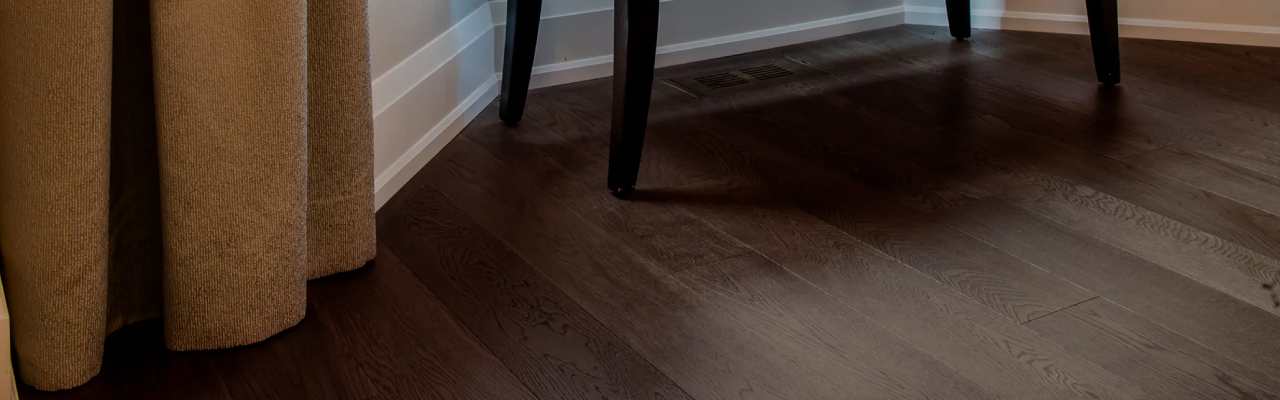
Ultimate Guide to Choosing the Best Finish for Solid Wood Flooring


When selecting solid wood flooring, one of the most important decisions is choosing the right wood floor finish. The finish not only defines the aesthetic appeal of your floors but also affects durability, maintenance, and resistance to daily wear and tear. This comprehensive guide will explore the different types of solid wood floor finishes, their features, and tips to select the ideal finish for your home or commercial space.
1. Why Finishes Matter for Solid Wood Flooring
Wood floor finishes protect your investment by acting as a barrier against moisture, stains, scratches, and general wear. Beyond protection, finishes enhance the natural grain, color, and texture of your wood, giving your floors a distinct look and feel. Choosing the right finish ensures that your durable wood floors maintain beauty and longevity over time.
2. Two Main Types of Wood Floor Finishes
When it comes to solid wood floor finishes, they typically fall into two categories: surface finishes and penetrating finishes.
Surface Finishes:
-
Sit on top of the wood surface.
-
Provide a strong protective layer against scratches, moisture, and spills.
-
Popular types include polyurethane and aluminum oxide finishes, known for durability and easy maintenance.
Penetrating Finishes:
-
Soak into the wood fibers and harden from within.
-
Highlight the wood’s natural grain and texture.
-
Common examples include tung oil, linseed oil, and hard-wax oil finishes.
-
Require more frequent maintenance but give a soft, natural look.
3. Popular Surface Finishes for Solid Wood Flooring
a. Polyurethane Finishes
Polyurethane is the most widely used finish for solid wood floors. It comes in two main forms:
Oil-Based Polyurethane:
-
Offers excellent durability and scratch resistance.
-
Creates a warm, amber glow enhancing the wood’s natural richness.
-
Drying time between coats can be up to 24 hours; strong fumes require ventilation.
-
Ideal for high-traffic areas, kitchens, and homes with pets or children.
Water-Based Polyurethane:
-
Clear finish that preserves the natural color of the wood without yellowing.
-
Dries faster than oil-based options (a few hours per coat).
-
Emits fewer odors and is suitable for moderate traffic areas.
b. Aluminum Oxide Finishes
-
Often used in factory-pre-finished wood flooring.
-
Extremely durable, scratch-resistant, and UV-protective.
-
Can last up to 25 years without refinishing.
-
Best for high-traffic spaces, families with pets, and sun-exposed areas.
c. Wax Finishes
-
Traditional, low-sheen finish with a natural, soft luster.
-
Easy to apply and repair but less resistant to moisture.
-
Requires regular re-application for long-term protection.
-
Ideal for rustic interiors or moderate-traffic rooms.
4. Penetrating Finishes for Natural Wood Appeal
a. Oil Finishes
Natural oils such as tung oil, linseed oil, and Danish oil:
-
Penetrate wood for a matte, organic look.
-
Enhance wood grain and allow the floor to age naturally.
-
Require regular maintenance to retain appearance.
-
Suitable for heritage homes, low-traffic areas, and organic-style interiors.
b. Hard-Wax Oil Finishes
-
Hybrid finish combining penetrating oils with wax for added durability.
-
Offers water resistance and minor scratch protection.
-
Easy to spot-repair and eco-friendly.
-
Perfect for living rooms, bedrooms, and natural matte finishes.
5. Specialty Wood Floor Finishes
a. UV-Cured Finishes
-
Factory-applied and cured instantly with UV light.
-
Highly scratch, moisture, and stain-resistant.
-
Low VOC emissions for healthier indoor air quality.
-
Ideal for commercial spaces and busy households.
b. Acid-Cured (Swedish) Finishes
-
High-gloss, luxury finish with exceptional durability.
-
Emphasizes color and grain of exotic woods.
-
Emits strong fumes during application and requires skilled repair.
-
Perfect for luxury settings and exotic wood species.
6. Choosing the Right Finish for Your Lifestyle
Factors to consider when selecting a wood floor finish:
-
Traffic Level: High-traffic areas benefit from aluminum oxide or polyurethane finishes.
-
Aesthetic Preference: Rustic or natural looks suit oil or wax finishes.
-
Maintenance: Low-maintenance floors favor water-based polyurethane or UV-cured finishes.
-
Environmental & Health Considerations: Opt for water-based or UV-cured finishes for lower VOC emissions.
7. Maintaining Your Wood Floor Finish
Polyurethane & Aluminum Oxide: Dust and mop with a gentle cleaner; avoid abrasives.
Wax: Regular re-waxing required; avoid water-based cleaners.
Oil & Hard-Wax Oil: Reapply oil periodically; use specialized oil cleaners.
UV-Cured & Acid-Cured: Clean with pH-neutral, non-abrasive cleaners.
Conclusion
Choosing the right finish for solid wood flooring can transform your home or commercial space. By understanding surface, penetrating, and specialty finishes, you can match your floors to your lifestyle, décor, and maintenance preferences. Whether you want the long-lasting durability of aluminum oxide or the natural elegance of oil finishes, the proper finish ensures your solid wood floors remain stunning and resilient for years.
