
Best Flooring Store in Brampton: How to Choose the Right Flooring

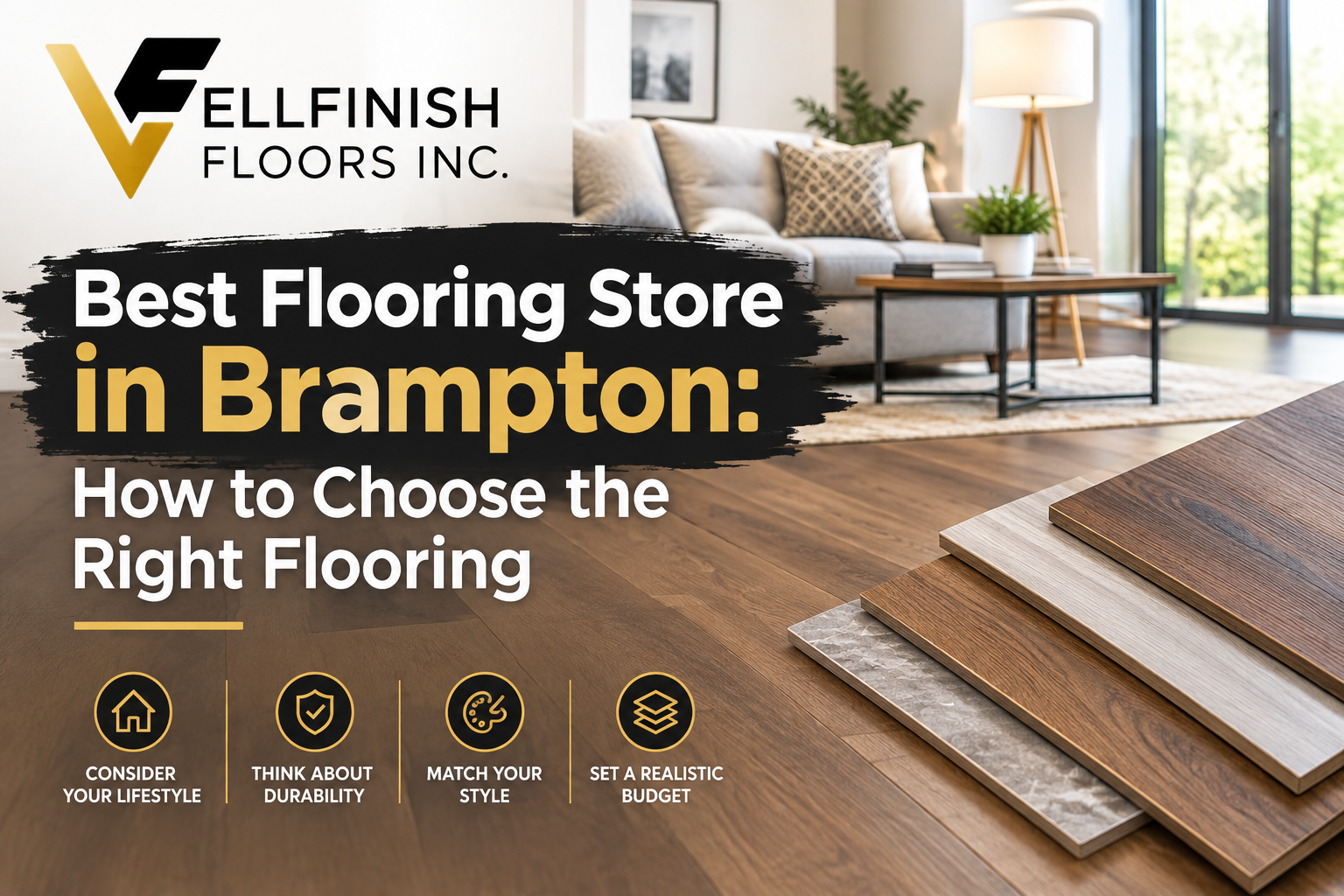
Choosing new flooring is an important decision for any homeowner. The right floor can make your home look more attractive, feel more comfortable, and stay in good condition for years. However, with so many materials, colours, styles, and prices available, finding the right option can sometimes feel confusing.
If you are searching for the best flooring store Brampton has to offer, it helps to understand what makes a flooring retailer worth visiting. You need more than a good-looking product. You also need reliable quality, fair pricing, helpful advice, and flooring that suits your home and lifestyle.
At Vellfinish Floors, customers can explore different flooring options for bedrooms, living rooms, kitchens, basements, and other spaces. Whether you are planning a complete home renovation or simply updating one room, taking the time to compare your options can help you make a better decision.
In this guide, we will explain how to choose the right flooring, what to look for in a flooring shop, and which flooring materials may work best for your needs.
1. Understand Your Flooring Needs Before Shopping
Before visiting a flooring store, think about how you use each room. Different spaces have different requirements, and the best flooring for one room may not be suitable for another.
For example, a busy family living room needs a durable surface that can handle regular foot traffic. A bedroom may benefit from a warmer, more comfortable material, while a basement may require flooring that performs well in areas where moisture is a concern.
Ask yourself a few simple questions:
- How much foot traffic does the room receive?
- Do you have children or pets?
- Is the area exposed to spills or moisture?
- What is your overall renovation budget?
- Do you prefer a modern, traditional, or natural wood appearance?
- How much time can you spend on cleaning and maintenance?
Answering these questions will make it easier to compare products and explain your requirements to a flooring retailer.
2. Compare Different Types of Flooring
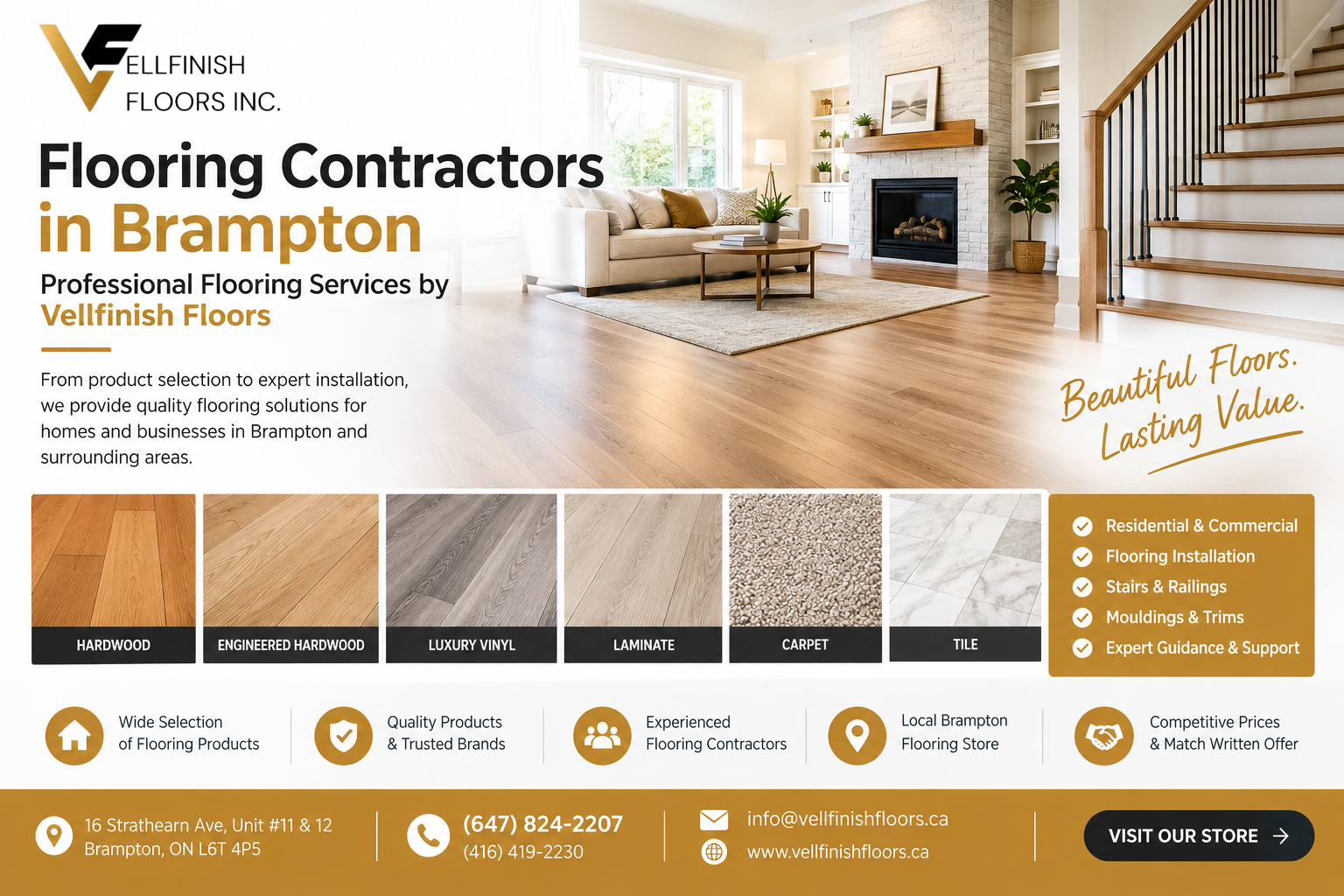
A good flooring shop should help you understand the differences between materials instead of focusing only on appearance. Here are some popular options to consider when choosing flooring in Brampton.
Hardwood Flooring
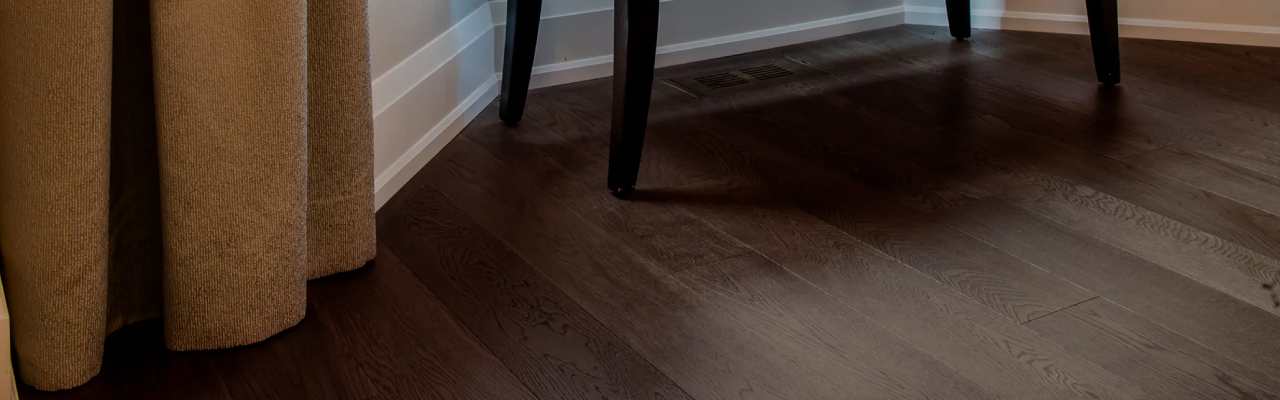
Hardwood flooring remains a popular choice for homeowners who appreciate the natural beauty of wood. Its distinctive grain patterns and warm appearance can complement traditional and contemporary interiors.
Solid hardwood is made from a single piece of wood, while engineered hardwood features a real wood surface attached to a layered core. Engineered hardwood can be a practical option for certain indoor environments where greater dimensional stability is desirable.
Hardwood is well suited to many living rooms, dining rooms, and bedrooms. However, it can be sensitive to excess moisture, standing water, and changes in humidity. Proper installation and maintenance are important for long-term performance.
Luxury Vinyl Flooring
Luxury vinyl flooring is an option worth considering if you want an attractive floor that is easy to maintain. Many designs reproduce the appearance of natural wood or stone without requiring the same maintenance routine as those materials.
Depending on the product, vinyl flooring may offer water resistance or waterproof construction. This makes certain products suitable for kitchens, laundry rooms, and basements when installed according to the manufacturer’s instructions.
Luxury vinyl plank and stone plastic composite (SPC) flooring are popular choices for homeowners looking for practical flooring solutions. Before purchasing, check the wear layer, thickness, installation requirements, and product warranty.
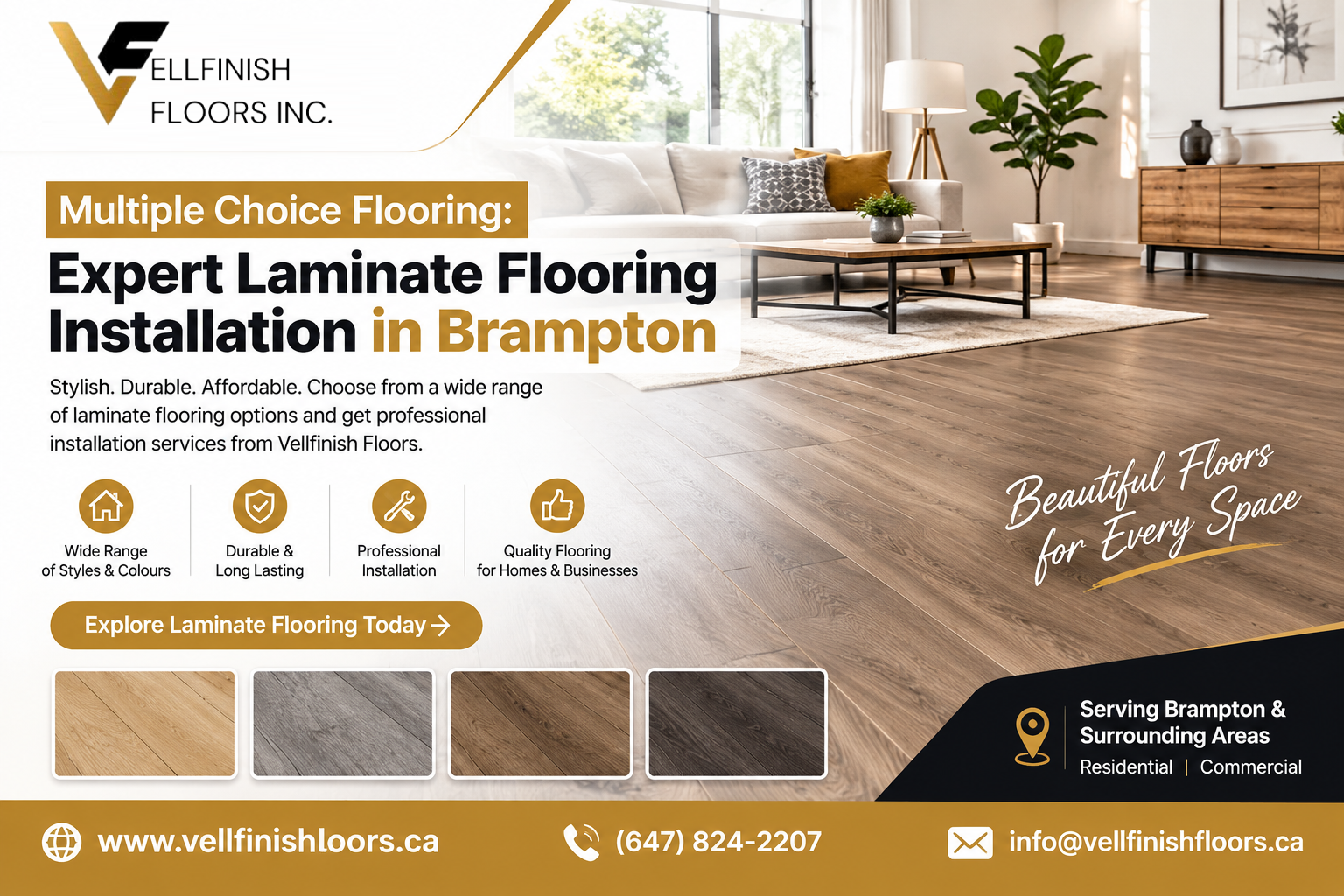
Laminate Flooring
Laminate flooring offers a wide variety of wood-inspired designs and can be a cost-effective choice for many homes. It is available in different colours, plank sizes, and surface finishes, making it easier to coordinate flooring with furniture and wall colours.
Some modern laminate products feature water-resistant or waterproof construction, but not every laminate floor provides the same level of moisture protection. Always check the product specifications, particularly if you plan to install it in a kitchen or basement.
Carpet Flooring
Carpet can make bedrooms, family rooms, and other suitable spaces feel softer and more comfortable. It is available in various colours, textures, and pile styles.
When comparing carpets, consider fibre type, stain resistance, cushioning, and cleaning requirements. Carpet may not be the best choice for areas where spills, dirt, or moisture are frequent concerns.
Tile Flooring
Tile is another practical option for selected areas of the home. It is available in a wide range of colours, patterns, shapes, and finishes.
Porcelain and ceramic tiles are often considered for bathrooms, entryways, and kitchens because they are durable and relatively easy to clean. However, grout maintenance, surface texture, and slip resistance should also be considered.
3. Look for Quality, Not Just a Low Price
Price is an important factor when choosing flooring, but the cheapest product is not always the most economical choice over time.
A floor needs to perform well under the conditions in which it will be used. A product that looks attractive in a showroom may not be the right choice for a busy household if it cannot handle the expected level of wear.
When comparing flooring products, pay attention to:
- Material quality: Check the product construction and specifications.
- Wear resistance: Consider how well the surface can handle daily activity.
- Moisture protection: Choose a product suitable for the room’s conditions.
- Warranty coverage: Understand what is covered and what is excluded.
- Maintenance needs: Consider the time and cost involved in keeping the floor clean.
- Installation requirements: Confirm whether the product needs a specific underlay, subfloor preparation, or installation method.
A knowledgeable flooring retailer can help you compare products within your budget and identify the features that matter most for your home.
4. Choose a Flooring Store with a Good Product Selection
Every home is different, so having several flooring options available can make the shopping process easier.
When visiting a flooring store in Brampton, look for a selection that includes different materials, colours, finishes, and price ranges. This allows you to compare your choices in person instead of making a decision based only on online photographs.
It is also helpful to choose a store where staff can explain the advantages and limitations of different products. For example, they should be able to discuss the differences between solid and engineered hardwood, laminate and vinyl, or standard and waterproof flooring.
At Vellfinish Floors, customers can explore flooring options for different rooms, renovation projects, and interior styles. Comparing samples and asking questions can help you narrow down your choices before making a purchase.
5. Consider Brampton’s Climate
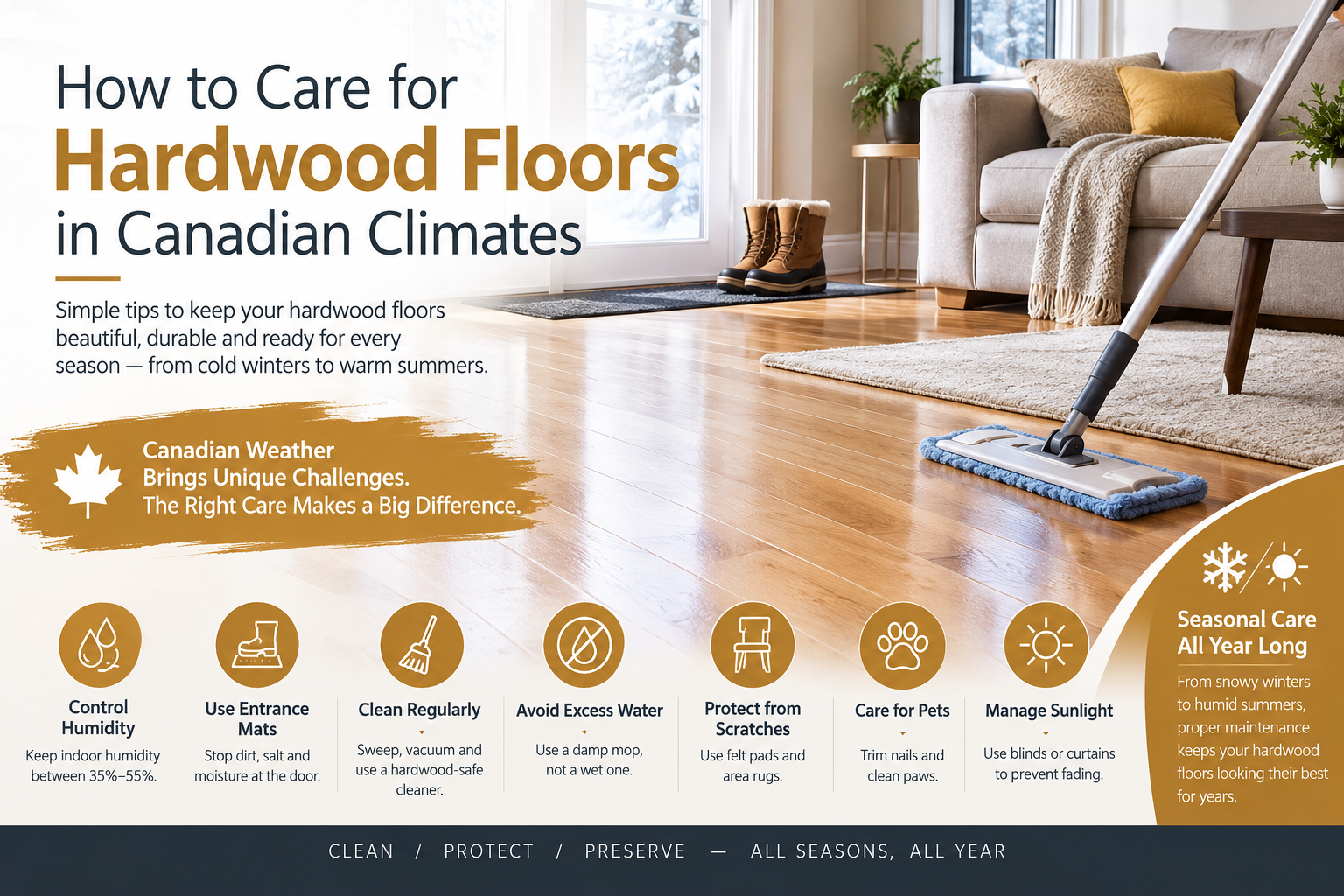
Brampton experiences seasonal temperature changes, including cold winters and warm summers. Indoor humidity can also vary throughout the year, particularly when heating and air conditioning are in use.
These changes are worth considering when selecting flooring.
Wood flooring can expand and contract as moisture levels change. Engineered hardwood may offer greater dimensional stability than solid hardwood in some conditions, although the performance of either product depends on its construction and installation environment.
Vinyl and SPC flooring may be suitable alternatives for rooms where moisture resistance is important. However, the subfloor, room conditions, product specifications, and installation instructions still matter.
Before installing any flooring, allow the material to acclimate when required by the manufacturer. Indoor temperature and humidity should also meet the product’s recommended conditions.
If you are unsure which material is suitable for your home, discuss your room conditions with an experienced flooring professional before purchasing.
6. Set a Realistic Flooring Budget
Your flooring budget should include more than the price per square foot. The total project cost may include several additional items, depending on the condition of your existing floor and the product you choose.
Consider the following expenses:
- Flooring material
- Underlay or moisture barrier, where required
- Removal and disposal of old flooring
- Subfloor repairs or levelling
- Installation labour
- Baseboards, trims, and transition pieces
- Stair nosings and accessories, if needed
For example, a lower-priced flooring product may require additional subfloor preparation or accessories. Another product may cost more initially but better suit your household’s needs.
Ask your flooring shop for a clear breakdown of the products and services included in the estimate. If you are comparing prices from multiple stores, make sure you are comparing similar materials, thicknesses, specifications, and quantities.
It is also sensible to purchase an appropriate extra quantity for cutting and future repairs. The amount required depends on the room layout, installation pattern, and manufacturer’s recommendations.
7. Check Installation Support and After-Sales Service
Even a quality flooring product can develop problems if it is installed incorrectly. Poor subfloor preparation, unsuitable underlay, incorrect expansion gaps, or improper moisture management can affect the finished floor.
Before choosing a flooring retailer, ask about installation support and whether professional installation services are available.
Find out what the installation quote covers. Does it include removing the existing floor? Are furniture moving, levelling, and trim installation included? Who is responsible for correcting installation issues?
You should also understand the manufacturer’s product warranty and any separate installation warranty. These may cover different things, and neither necessarily covers damage caused by misuse, unsuitable conditions, or improper maintenance.
Clear communication before the project begins can help prevent misunderstandings and unexpected costs later.
8. Select a Colour and Style That Suit Your Home
Flooring plays a major role in the overall appearance of a room. The right colour and finish can help your furniture, wall colours, lighting, and interior design work together.
Light-coloured flooring, including natural oak and pale beige tones, can create a bright and open feeling. Medium wood tones offer a balanced appearance that works with many furniture styles. Dark flooring can create contrast and a more dramatic look, although dust and certain types of debris may be more noticeable on some dark finishes.
Consider the size of the room, the amount of natural light, and the colour of your existing cabinets or furniture.
Whenever possible, take a flooring sample home. View it under your actual lighting conditions and compare it with your wall colour, furniture, and other finishes. A sample viewed in a showroom may look different in your home.
Think about the long term as well. A style that complements your current furniture and is easy to maintain may be a better investment than a trend that you may want to replace quickly.
9. Read Reviews and Compare Customer Service
Customer feedback can help you understand what to expect from a flooring retailer. Before making a decision, look at recent reviews and consider what customers say about product quality, pricing transparency, communication, and problem resolution.
Do not rely on star ratings alone. Read the comments to see whether the store answers questions clearly and handles concerns professionally.
You can also ask friends, neighbours, or family members in Brampton about their flooring shopping experiences. Personal recommendations may help you identify stores worth visiting.
When you contact a flooring shop, pay attention to how the staff respond to your questions. A helpful retailer should explain product differences, provide clear information, and allow you to make an informed decision without unnecessary pressure.
10. Why Consider Vellfinish Floors in Brampton?
Finding the right flooring store involves balancing product quality, appearance, price, and practical support. Vellfinish Floors provides an option for Brampton homeowners who want to explore different flooring materials for their renovation projects.
Whether you are updating a single bedroom, replacing flooring throughout your home, or planning a larger renovation, comparing suitable products can help you find a floor that meets your requirements.
You can explore options such as hardwood, engineered hardwood, laminate, luxury vinyl, and other flooring materials according to availability. Consider your room conditions, preferred appearance, budget, and maintenance expectations before choosing a product.
The best flooring choice is not necessarily the most expensive one or the cheapest one. It is the product that suits your home, meets your practical needs, and offers good value for your budget.
Visit Vellfinish Floors to explore your flooring options:
- Business: Vellfinish Floors
- Address: 16 Strathearn Ave, Units 11 & 12, Brampton, ON L6T 4P5
- Phone: (647) 824-2207
- Website: https://vellfinishfloors.ca/
Contact the team to learn more about available flooring products and find options that suit your next home improvement project.
Frequently Asked Questions
1. How do I choose the best flooring store in Brampton?
Look for a store with a good product selection, transparent pricing, knowledgeable staff, clear product information, and helpful customer service. Compare flooring samples, warranties, and installation requirements before making a purchase.
2. Which flooring is best for homes in Brampton?
The right choice depends on the room and your household’s needs. Hardwood offers natural beauty, laminate provides a variety of wood-look designs, and luxury vinyl or suitable SPC products can be useful where moisture resistance is important. Always check the manufacturer’s recommendations.
3. Is luxury vinyl flooring better than laminate?
Neither option is automatically better for every home. Luxury vinyl can offer strong moisture resistance, depending on the product, while laminate offers a wide range of realistic wood-look finishes. Compare the specifications and intended use of each product before deciding.
4. What should I include in my flooring budget?
Include the flooring material, underlay, removal of old flooring, subfloor preparation, installation labour, trims, transitions, and other necessary accessories. Ask for a detailed estimate so you can compare the total project cost.
5. Can I find affordable flooring at a flooring retailer?
Yes. Many flooring retailers carry products at different price points. Compare quality, durability, warranty, maintenance requirements, and installation costs to find an option that offers good value.
6. Should I choose flooring before renovating my home?
It is helpful to select your flooring early in the renovation planning process. This allows you to coordinate colours, measurements, installation timing, and related work with other parts of the project.
Final Thoughts
Choosing the right floor starts with understanding your needs and comparing the available options. Consider durability, moisture resistance, style, maintenance, and total cost rather than focusing on appearance or price alone.
If you are searching for a flooring store Brampton homeowners can visit to explore flooring options, take time to compare products and ask questions before making your final decision. A reliable flooring retailer or flooring shop can help you understand your choices and select flooring that fits your home and budget.