
Hardwood Flooring in Brampton: A Complete Homeowner’s Guide

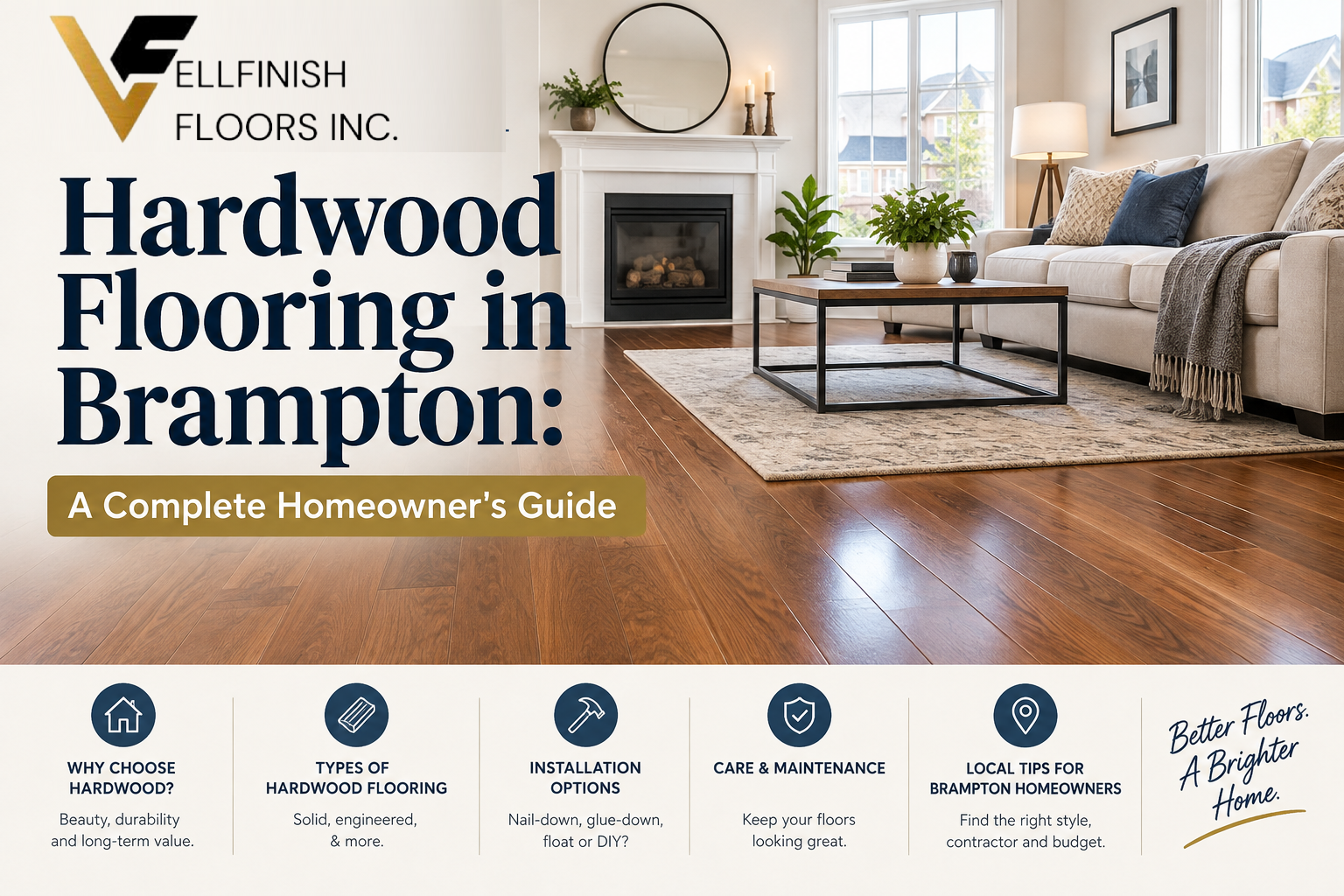
Choosing new flooring is an important decision for any homeowner. The right floor can change the entire look of your home, make rooms feel warmer, and complement your furniture and interior design. If you are planning a renovation or building a new home, hardwood flooring Brampton homeowners choose should offer the right balance of style, durability, maintenance and long-term value.
Hardwood remains a popular option because it brings natural warmth and character to a space. From classic oak to modern wide-plank finishes, there are many ways to create a beautiful interior with real wood floors.
At Vellfinish Floors, homeowners can explore hardwood and engineered hardwood options alongside other flooring materials to find a suitable match for their project, preferences and budget.
1. Why Choose Hardwood Flooring for Your Brampton Home?
Hardwood flooring has a timeless appearance that works with traditional, contemporary and modern interiors. Unlike flooring patterns that imitate wood, natural hardwood has individual grain patterns, colour variations and textures that make every floor distinctive.
Here are some reasons homeowners consider hardwood floors.
Natural appearance: Wood floors create a warm, welcoming atmosphere in living rooms, dining rooms, bedrooms and hallways.
Long-term use: With the right product, installation and maintenance, hardwood can provide many years of service.
Refinishing potential: Certain hardwood floors can be sanded and refinished when their surface becomes worn. The number of times depends on the wood’s thickness and condition.
Flexible interior design: Hardwood complements neutral walls, modern kitchens, traditional furniture and a wide range of decorating styles.
Appealing presentation: Well-maintained wood flooring can make a property attractive to prospective buyers, although resale value depends on the overall property and local market.
For homeowners comparing flooring options, the best choice depends on the room, expected foot traffic, moisture exposure and available budget.
2. Understanding Solid Hardwood and Engineered Hardwood
Before buying hardwood flooring in Brampton, it is important to understand the difference between solid hardwood and engineered hardwood. Both use real wood, but their construction and installation requirements differ.
Solid Hardwood Flooring
Solid hardwood is made from a single piece of wood. Oak, maple and other wood species are popular choices for homeowners who prefer a traditional wood floor.
Its main advantages include:
-
A natural wood surface with distinctive grain.
-
The potential for sanding and refinishing over its service life.
-
A classic appearance that suits many interior styles.
-
A long service life when installed and maintained correctly.
However, solid hardwood reacts to changes in humidity. Wood can expand in humid conditions and shrink when indoor air becomes dry. Proper acclimation, moisture testing and installation are therefore essential.
Solid hardwood is generally not the first choice for areas with persistent moisture or below-grade basement installations. Always confirm the manufacturer’s suitability requirements before purchasing.
Engineered Hardwood Flooring
Engineered hardwood features a genuine hardwood surface layer attached to a layered core. Its construction can offer greater dimensional stability than solid hardwood under changing environmental conditions, although performance varies by product.
Benefits may include:
-
The appearance of real hardwood.
-
A choice of wood species, finishes and plank widths.
-
Different installation methods depending on the product.
-
Options that may suit certain concrete subfloors and below-grade applications when specifically approved.
Refinishing potential depends on the thickness of the real wood wear layer. Some engineered products can be refinished, while others have limited or no refinishing allowance.
Which is better? Solid hardwood is worth considering if you prefer traditional construction and future refinishing potential. Engineered hardwood may be a better fit if your subfloor or installation conditions require a more dimensionally stable product.
Compare the actual product specifications rather than choosing based on appearance alone.
3. Popular Wood Species for Hardwood Floors
The wood species affects the appearance, grain pattern, hardness and overall feel of your floor.
Oak Flooring
Oak is a popular option because of its visible grain and versatile appearance. Natural oak works with both warm and neutral colour schemes, while white oak is often selected for contemporary interiors.
Maple Flooring
Maple generally has a subtle grain and a clean appearance. Its lighter tones can work well in bright, minimalist rooms.
Hickory Flooring
Hickory often has more pronounced grain and natural colour variation. It can suit rustic interiors, family rooms and spaces where a distinctive wood pattern is desired.
Walnut Flooring
Walnut is known for its rich brown tones and elegant grain. It can create a premium appearance in living rooms, bedrooms and formal spaces.
When shopping for wood floors in Brampton, compare full samples in your home’s lighting. A colour that looks pale under showroom lights may appear warmer or darker in your own room.
4. How to Choose the Right Hardwood Colour and Finish
The colour of your flooring affects the overall atmosphere of your home. It also influences how easily everyday dust, marks and small scratches are noticed.
Consider these popular styles:
-
Natural oak: A versatile look for many homes.
-
Light wood floors: Can make a room feel brighter and more open.
-
Medium brown flooring: Offers a balanced, traditional appearance.
-
Dark hardwood: Creates contrast with lighter walls and furnishings.
-
Matte and low-sheen finishes: Provide a more understated appearance.
-
Textured finishes: Can add visual character and help disguise some minor surface marks.
Also consider plank width. Wider planks can create a spacious, contemporary look, while narrower boards can suit traditional interiors.
For open-plan homes in Brampton, carrying the same or a complementary flooring style between connected spaces can help create a consistent design. Confirm transition details wherever flooring changes between rooms.
5. Is Hardwood Flooring Suitable for Brampton’s Climate?
Ontario experiences seasonal changes, including cold winters, indoor heating and humid summer weather. These changes can affect natural wood flooring.
During dry winter months, indoor humidity may drop and wood can shrink slightly, sometimes creating small gaps between boards. In humid weather, wood may expand. Large or rapid moisture changes can contribute to cupping, gaps or other flooring problems.
To help protect your investment:
-
Follow the flooring manufacturer’s acclimation instructions.
-
Have the subfloor checked for moisture before installation.
-
Maintain reasonably stable indoor temperature and humidity.
-
Use a humidifier or dehumidifier when appropriate for your home’s conditions.
-
Clean up spills promptly and avoid excessive water.
-
Follow the manufacturer’s instructions for seasonal care.
Engineered hardwood may offer additional dimensional stability, but it is not automatically waterproof. Product selection and installation must match the actual conditions of the room.
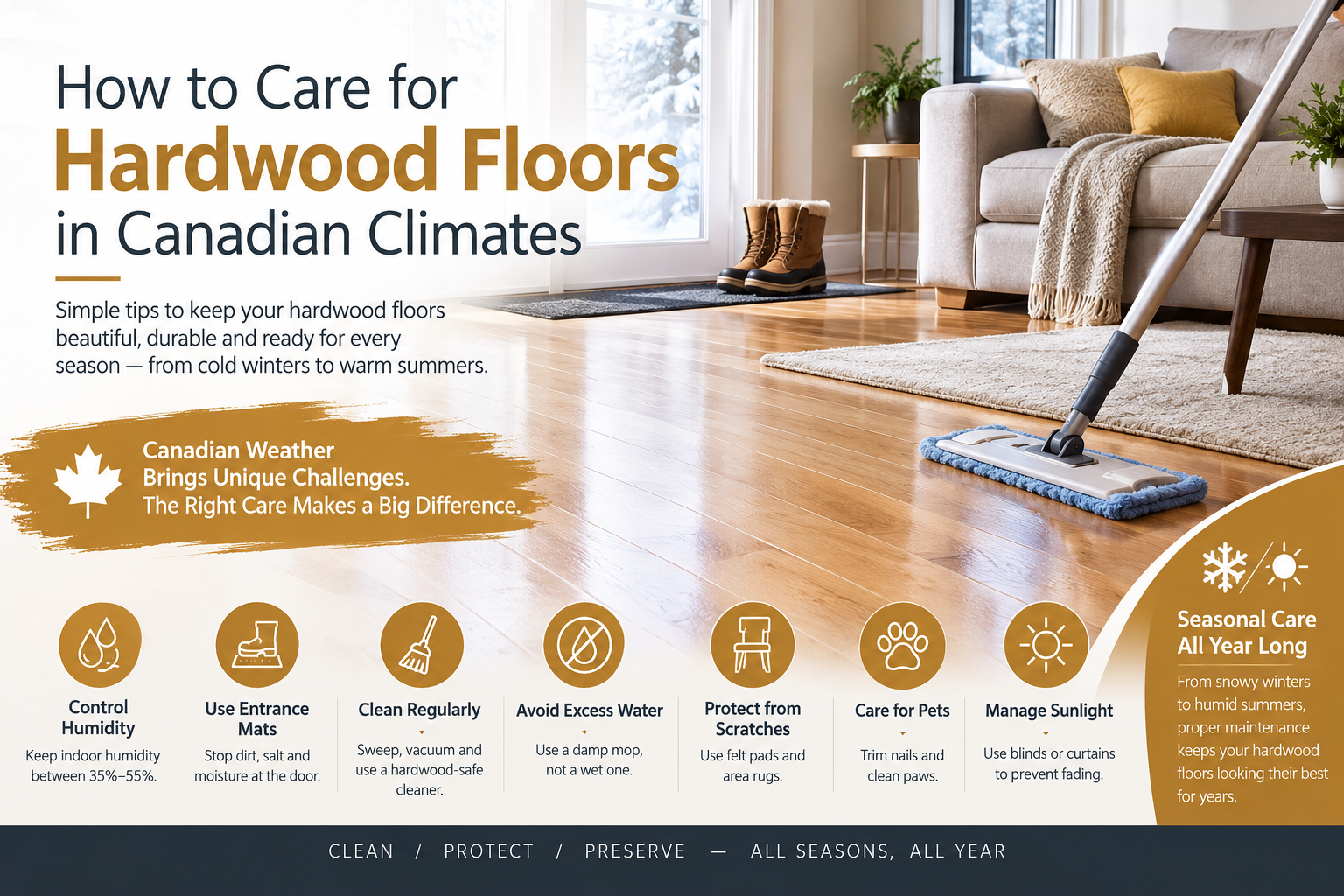
For more practical advice, read the Vellfinish Floors guide on caring for hardwood floors in Canadian climates.
6. How Much Does Hardwood Flooring Cost in Brampton?
The cost of hardwood flooring Brampton homeowners purchase depends on several factors. There is no single price that applies to every project because product specifications, room layouts and installation requirements vary.
Your overall budget may include:
-
Flooring material and selected wood species.
-
Solid or engineered hardwood construction.
-
Plank dimensions and surface finish.
-
Subfloor preparation and moisture testing.
-
Removal and disposal of existing flooring.
-
Installation labour and adhesive or fasteners.
-
Underlayment, where required.
-
Baseboards, transitions, stair nosings and other finishing pieces.
-
Delivery, furniture movement and additional work.
For example, a straightforward bedroom installation may require less preparation than a multi-level renovation involving stairs, uneven subfloors and several flooring transitions.
To compare quotes accurately, ask each supplier to explain what is included. A lower material price may not represent a lower total project cost if extra preparation, trims or labour are required.
Contact Vellfinish Floors to discuss your project and explore flooring options that fit your budget.
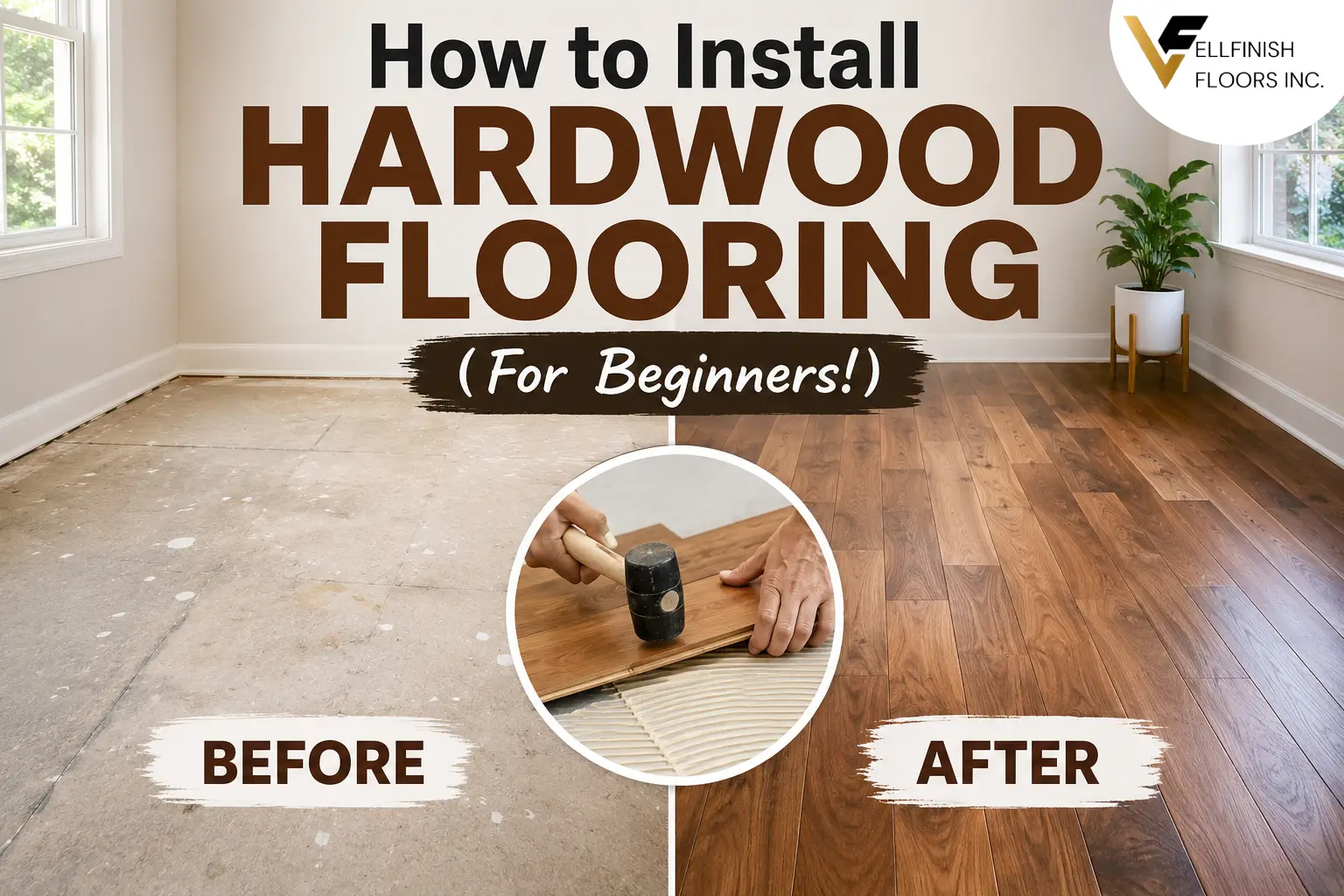
7. What to Expect During Hardwood Floor Installation
Proper installation plays a major role in how your flooring looks and performs over time.
Step 1: Measure the Area
Measure each room and calculate the required square footage. Additional material is usually needed for cutting, waste and future repairs. The amount depends on the layout and the flooring pattern.
Step 2: Inspect the Subfloor
The subfloor should meet the manufacturer’s requirements for flatness, cleanliness, stability and moisture. Any necessary repairs should be addressed before the flooring is installed.
Step 3: Select the Installation Method
Depending on the product and subfloor, installation may involve nailing, stapling, gluing or a floating system. Not every method is suitable for every hardwood product.
Step 4: Allow for Expansion Requirements
Wood flooring needs the correct expansion provisions according to manufacturer instructions. Skipping these details can contribute to movement-related problems.
Step 5: Complete the Finishing Work
Baseboards, transitions, stair nosings and other trim pieces help give the finished project a neat appearance. Check that the flooring works properly at doorways and adjoining rooms.
If you are planning a renovation, discuss these details with your flooring supplier before the installation date. You can explore the available hardwood flooring options at Vellfinish Floors.
8. How to Maintain Wood Floors for Years
Good maintenance helps preserve the appearance of your flooring and reduce avoidable wear.
Remove dirt regularly. Sweep or vacuum with a suitable hardwood-floor attachment to prevent grit from scratching the finish.
Use the correct cleaner. Choose a product approved for your floor’s finish. Avoid harsh chemicals and abrasive cleaning tools.
Keep water under control. Use a lightly damp cleaning pad only when permitted by the manufacturer. Do not flood the floor or leave standing water.
Protect high-traffic areas. Place suitable mats at entrances to catch dirt, grit and winter salt. Use rugs where appropriate, making sure their backing is compatible with the finish.
Add furniture protectors. Felt pads beneath chair and table legs can help reduce scratches.
Manage sunlight. Direct sunlight may gradually change the colour of some wood floors. Curtains or blinds can help reduce uneven exposure.
Control humidity. Stable indoor conditions can reduce excessive seasonal movement.
Avoid dragging heavy furniture across the surface. If scratches, gaps or finish damage appear, identify the cause before attempting repairs.
9. Common Hardwood Flooring Mistakes to Avoid
Homeowners can reduce costly problems by avoiding a few common mistakes.
-
Choosing by colour alone: Consider durability, finish, maintenance and installation requirements as well.
-
Ignoring moisture: Test the subfloor and address moisture concerns before installation.
-
Buying without checking specifications: Confirm plank thickness, wear layer, finish, warranty and approved installation methods.
-
Underestimating the budget: Include preparation, trims, delivery and labour in the project estimate.
-
Using too much water during cleaning: Excess moisture can damage wood flooring.
-
Skipping installation guidance: Follow the manufacturer’s instructions and use a qualified installer where needed.
-
Expecting every product to work in every room: Basements, concrete subfloors and moisture-prone areas require particular care.
A little planning before purchasing can help you select a floor that suits your home rather than simply choosing the most attractive sample.
10. Why Visit Vellfinish Floors for Hardwood Flooring in Brampton?
Finding the right flooring is easier when you can compare products, colours and finishes before making a decision.
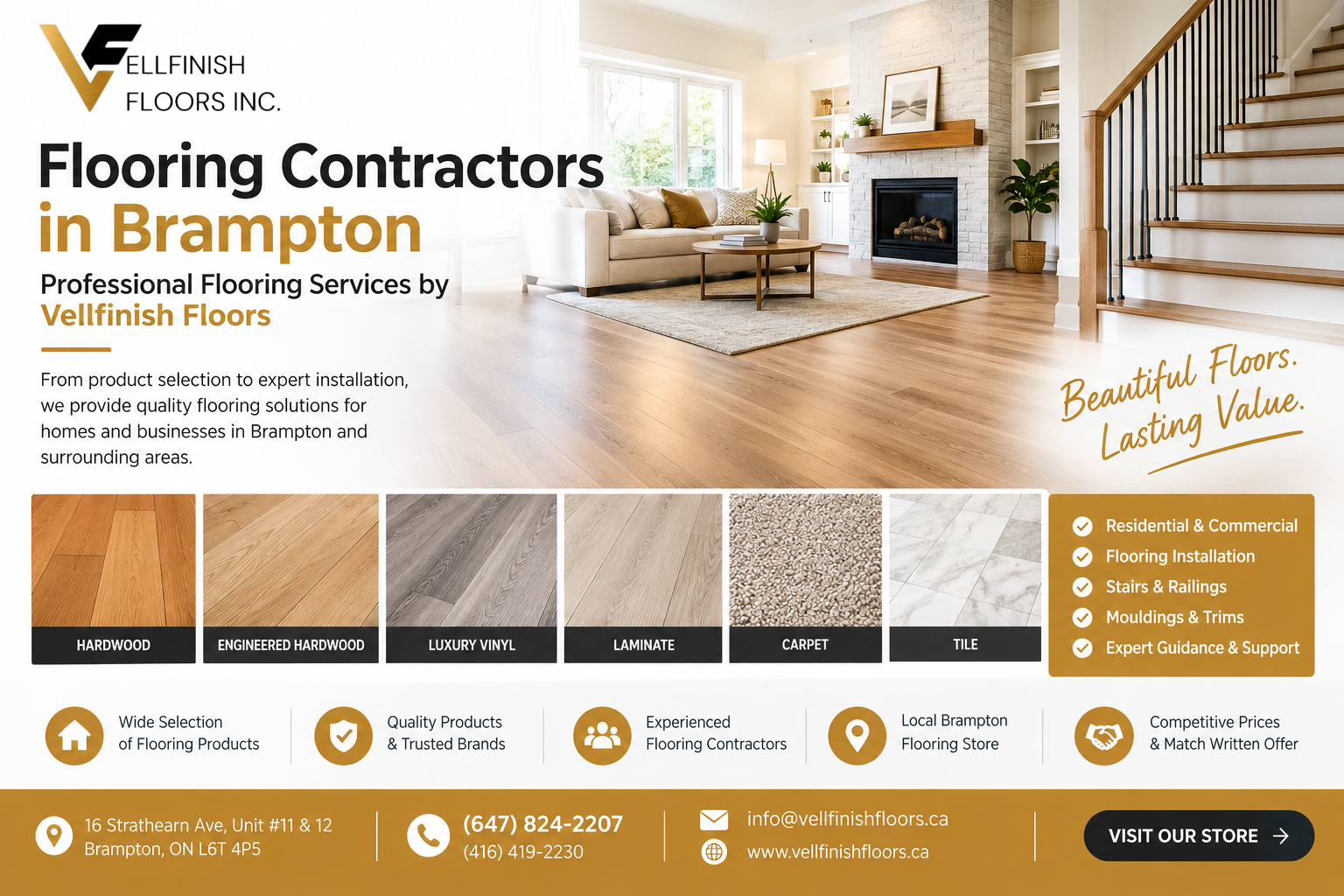
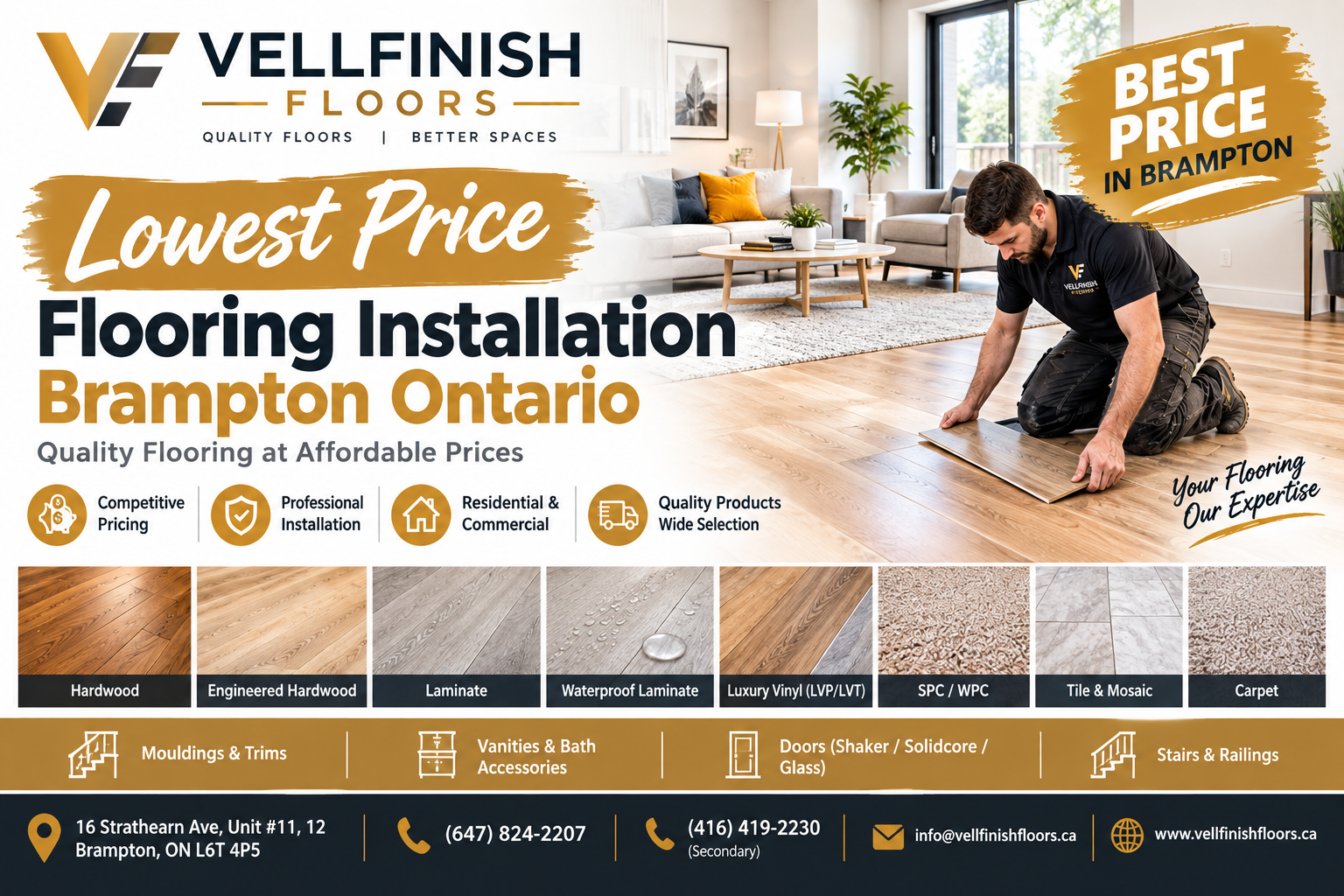
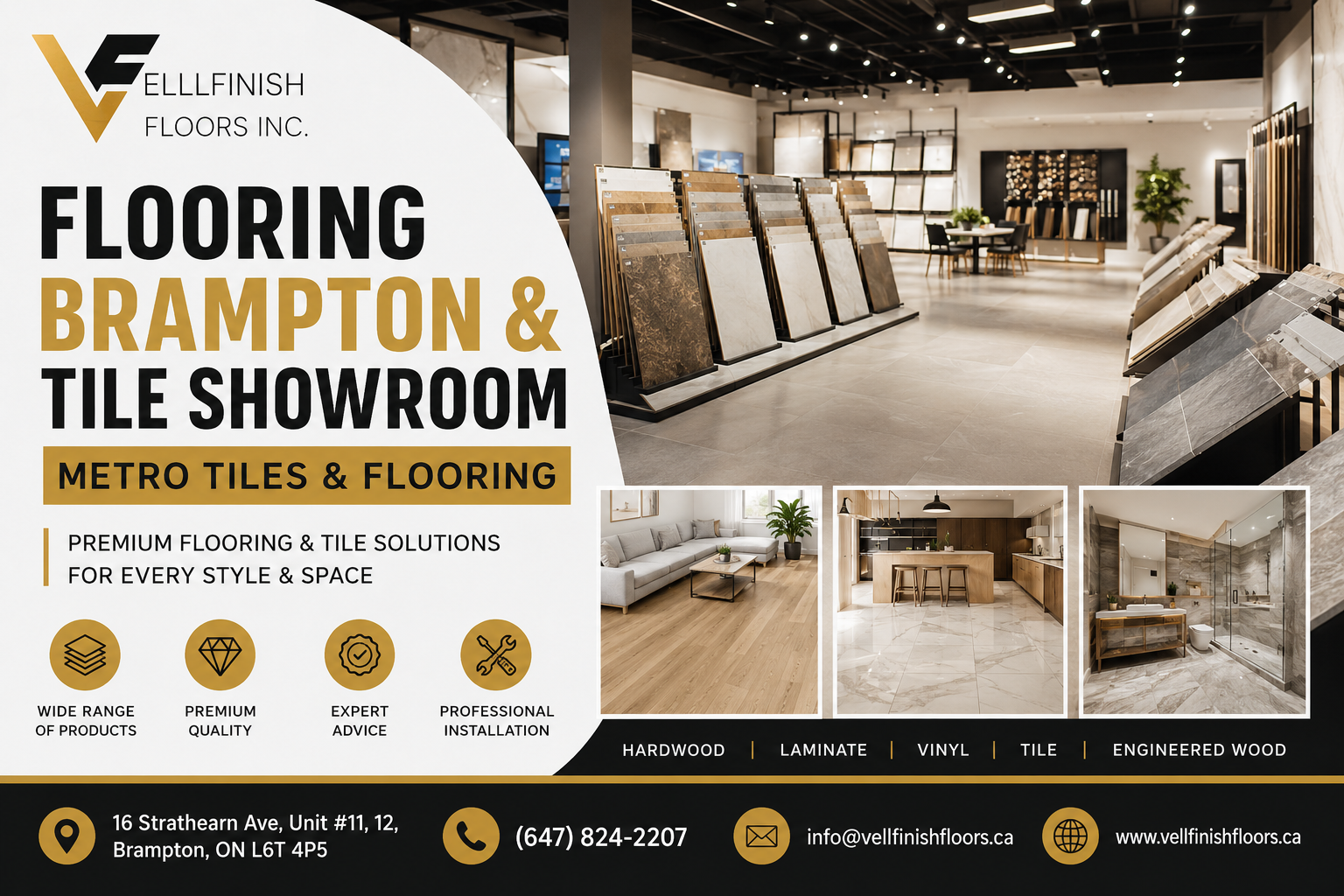
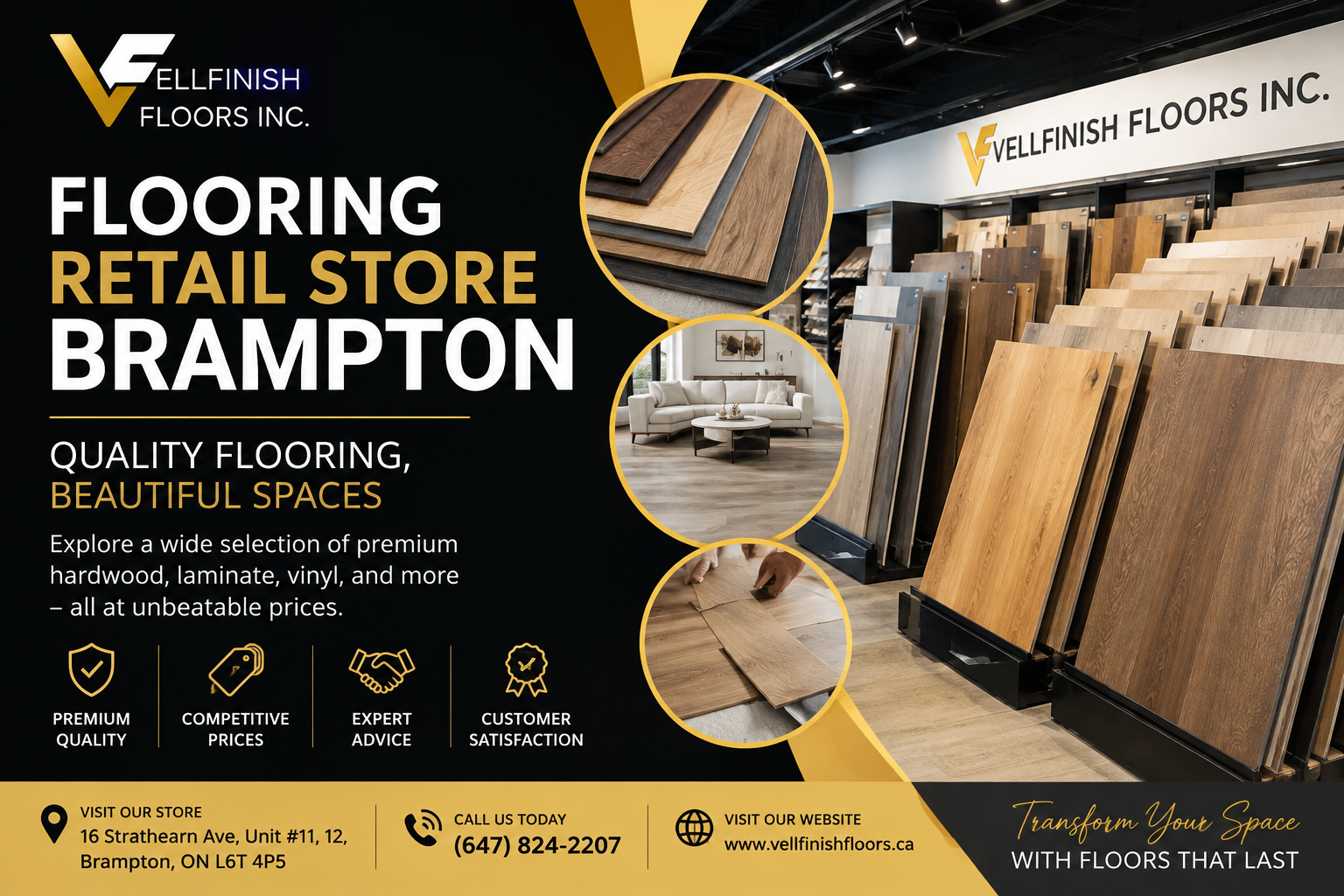
Vellfinish Floors is a Brampton flooring retailer offering hardwood and engineered hardwood alongside laminate, luxury vinyl, carpet, tile and other flooring-related products.
Homeowners can explore options for different interior styles and renovation budgets. If you are unsure whether solid hardwood or engineered hardwood is suitable for your project, discuss your room conditions, subfloor and maintenance expectations before choosing.
The team can help you review available products and understand which specifications matter for your renovation.
Whether you are updating one bedroom, refreshing your living room or planning a larger home renovation, start by identifying your preferred style, budget and practical requirements.
Visit the Vellfinish Floors website to browse flooring collections or contact the store to discuss your needs.
11. Frequently Asked Questions About Hardwood Flooring in Brampton
1. What is the best hardwood flooring for homes in Brampton?
The best option depends on your home, subfloor, humidity conditions, lifestyle and budget. Solid hardwood suits many above-grade spaces, while engineered hardwood may offer more flexibility for certain installation conditions.
2. Is solid hardwood better than engineered hardwood?
Neither is best for every situation. Solid hardwood may offer more refinishing potential, while engineered hardwood has a layered construction that can provide improved dimensional stability. Compare product specifications before deciding.
3. How long does hardwood flooring last?
With suitable installation and care, hardwood flooring can last for decades. Its lifespan depends on the product, surface finish, foot traffic, moisture exposure and maintenance.
4. Can hardwood flooring be installed in a basement?
Solid hardwood is generally not recommended for below-grade basement installations. Some engineered products may be approved for specific basement conditions, but moisture testing and manufacturer guidance are essential.
5. Is hardwood flooring easy to maintain?
Routine sweeping, suitable cleaning products, furniture pads and moisture control can make maintenance manageable. Follow the specific care instructions for your flooring finish.
6. Does hardwood flooring increase home value?
Hardwood can improve the appeal of a home, but any effect on resale value depends on buyer preferences, the property’s condition and local market conditions. It is not a guaranteed return on investment.
7. What colour of wood floors is most popular?
Natural oak, light wood tones, medium browns and neutral finishes are common design choices. The best colour is one that suits your lighting, furnishings and preferred style.
8. Where can I buy hardwood flooring in Brampton?
You can visit Vellfinish Floors at 16 Strathearn Avenue, Units 11 and 12, Brampton, Ontario, to explore flooring products and discuss your project.
Conclusion
Choosing the right hardwood flooring in Brampton involves more than selecting a colour. You need to consider the wood species, solid or engineered construction, installation method, moisture conditions, maintenance and total project cost.
Solid hardwood offers a traditional natural-wood experience, while engineered hardwood provides additional options for certain subfloors and installation environments. By comparing product specifications and planning the installation carefully, you can choose flooring that fits your home’s needs and design.
If you are ready to explore solid hardwood, engineered hardwood and quality wood floors, Vellfinish Floors can help you compare available options for your next renovation.
Visit Vellfinish Floors or contact the team to discuss your hardwood flooring project in Brampton.