
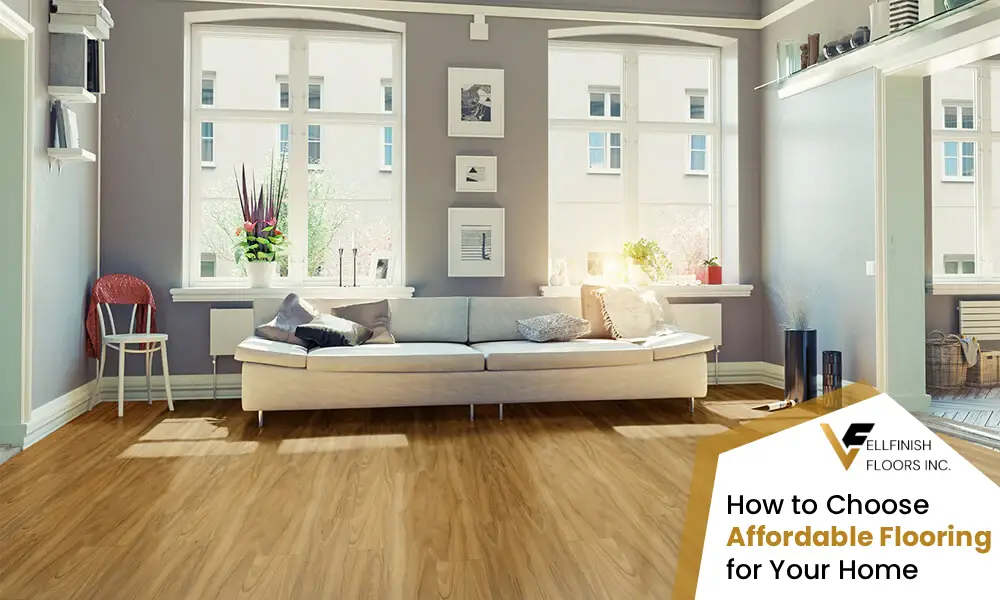
How to Choose Affordable Flooring for Your Home

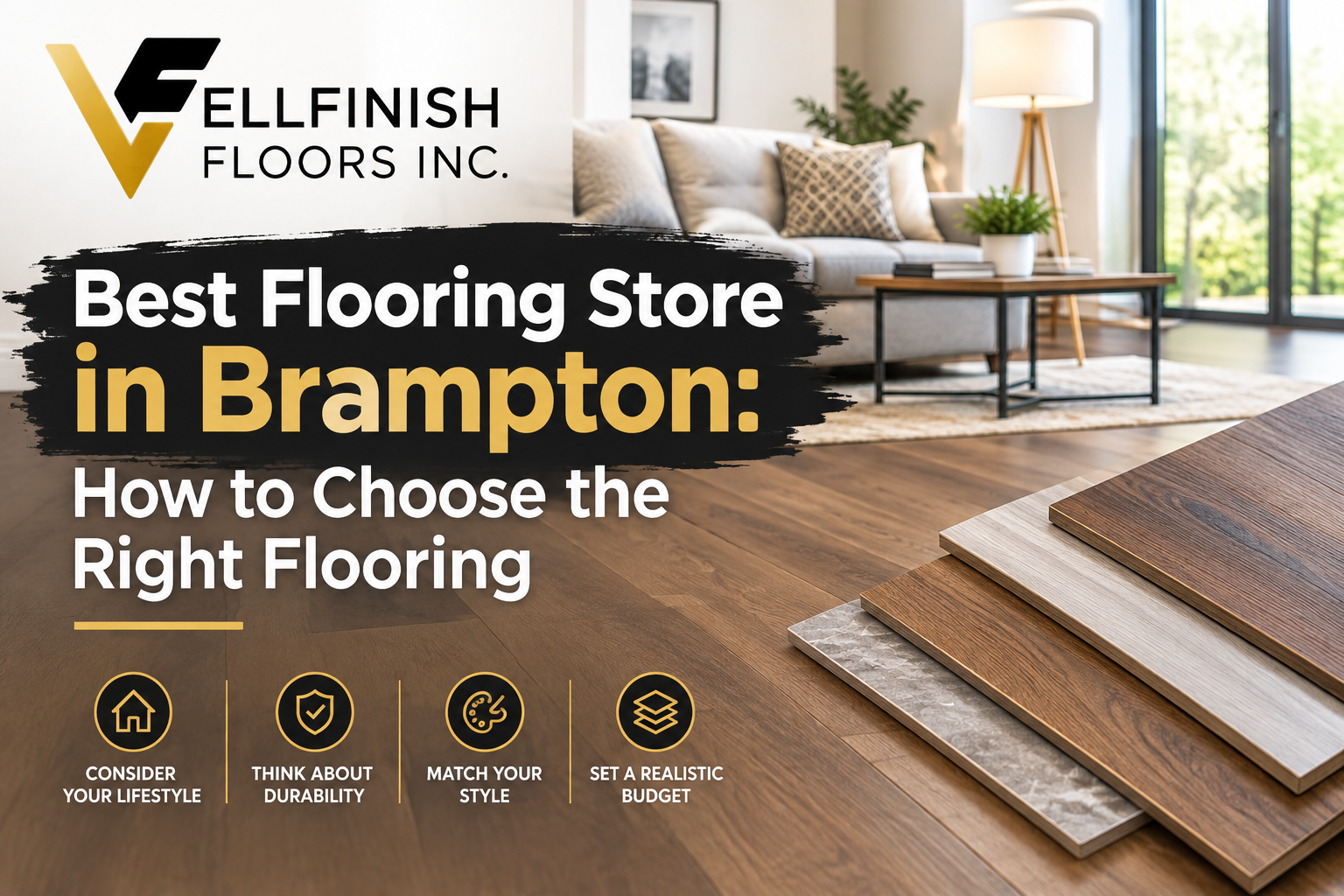
Choosing new flooring is one of the biggest decisions you’ll make during a home renovation. It affects the way your home looks, how comfortable it feels, and even how much maintenance you’ll need in the years ahead. While many people assume that beautiful flooring always comes with a high price tag, that’s no longer the case. Today, there are plenty of affordable flooring options that offer excellent durability, attractive designs, and long-lasting value.
The key is knowing which material suits your lifestyle, your budget, and each room in your home. Rather than simply buying the cheapest option available, it’s worth taking the time to compare different flooring types and understand what you’re paying for.
This guide will help you choose affordable flooring that looks great, performs well, and fits your budget without compromising on quality.
Start by Understanding Your Home’s Needs
Before you visit a flooring store or browse online, think about how each room in your home is used. Every space has different requirements, and choosing the right flooring starts with understanding those needs.
For example, a busy family kitchen needs flooring that can handle spills, dropped utensils, and constant foot traffic. A bedroom, on the other hand, should feel warm and comfortable underfoot. Bathrooms require flooring that can cope with moisture, while living rooms often need something that combines style with durability.
Ask yourself a few simple questions:
- How many people use this room every day?
- Do you have children or pets?
- Will the floor be exposed to water?
- How much time do you want to spend on maintenance?
- Do you prefer a modern, rustic, or classic look?
Answering these questions first will help narrow your choices and prevent expensive mistakes later.
Set a Budget Before You Shop
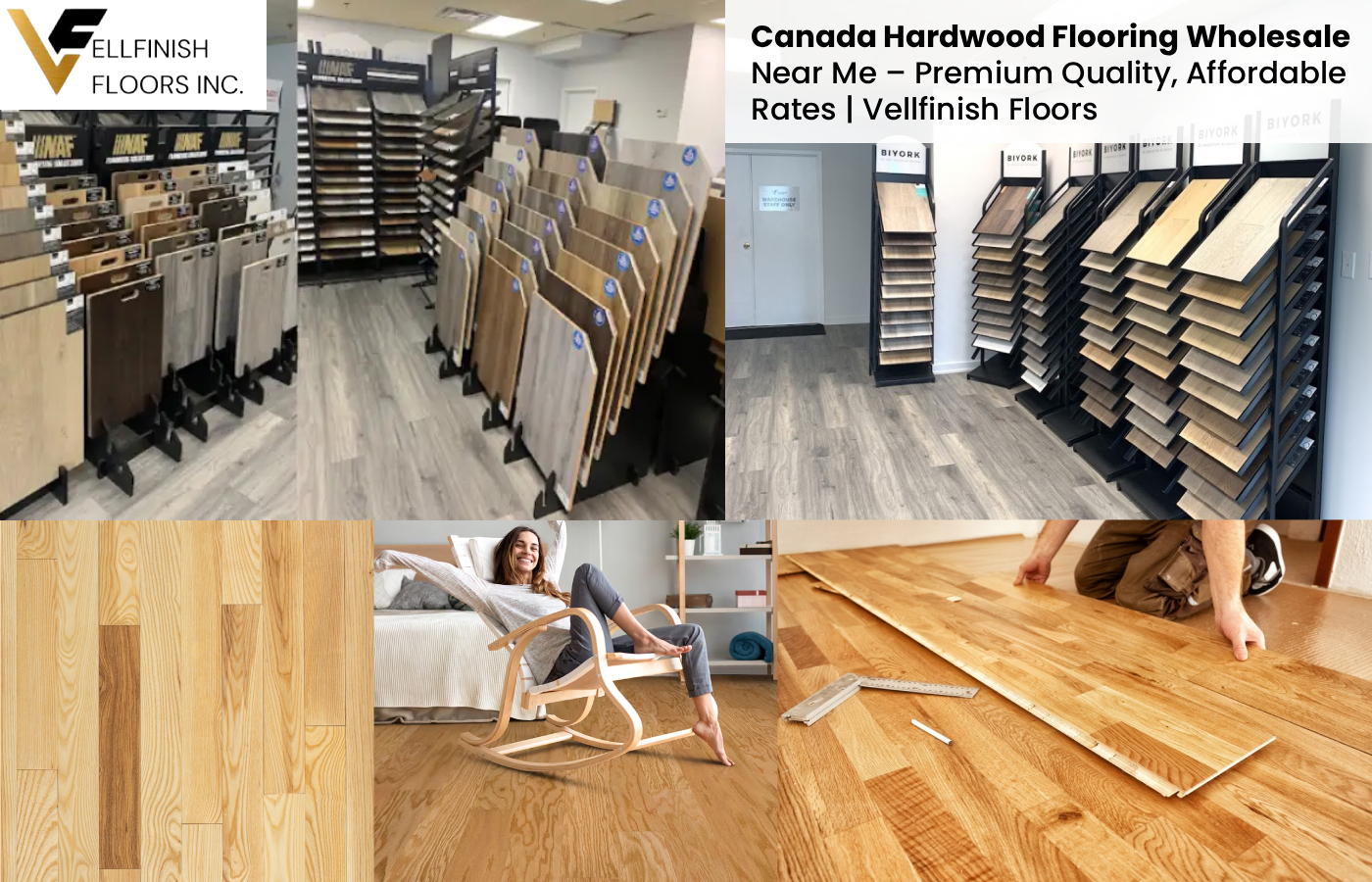
One of the most common mistakes homeowners make is focusing only on the price of the flooring itself. In reality, your total flooring budget should include much more than the material.
You should also consider:
- Installation costs
- Underlay or underlayment
- Trims and mouldings
- Adhesives or fixing materials
- Delivery charges
- Future maintenance
If you’re planning to install the flooring yourself, you may save a significant amount on labour costs. Laminate flooring and click-lock vinyl planks are particularly popular with DIY homeowners because they’re designed for easy installation.
It’s also wise to buy around 5% to 10% extra material. This allows for cutting, mistakes during installation, and future repairs if a section ever needs replacing.
Compare the Most Affordable Flooring Options
There are many budget-friendly flooring materials available today, and each comes with its own advantages.
Laminate Flooring
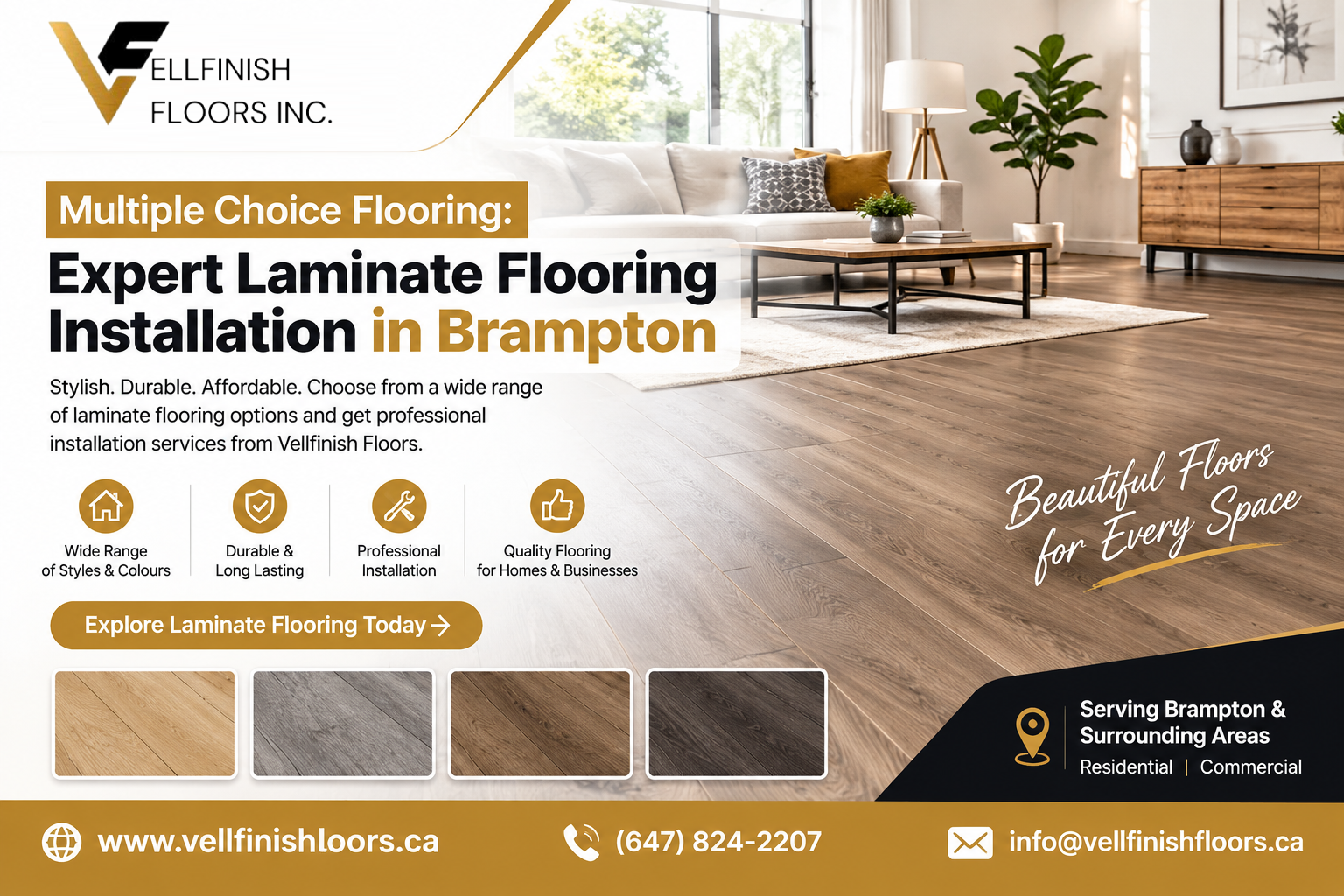
Laminate flooring has become one of the most popular choices for homeowners looking for the appearance of hardwood without the high cost.
Modern laminate products feature realistic wood textures and natural colours that closely resemble genuine timber. They’re durable, easy to clean, and suitable for living rooms, bedrooms, dining areas, and hallways.
Advantages
- Budget-friendly
- Easy DIY installation
- Scratch-resistant surface
- Available in hundreds of wood styles
- Low maintenance
Things to Consider
Although laminate is durable, standing water can damage it if left for long periods. It’s best suited to dry areas unless you choose a waterproof laminate product.
Luxury Vinyl Flooring
Luxury Vinyl Plank (LVP) and Luxury Vinyl Tile (LVT) have improved dramatically over recent years. Many people struggle to tell the difference between quality vinyl flooring and real hardwood.
Vinyl flooring is especially popular because it’s waterproof, comfortable to walk on, and available in a wide range of colours and finishes.
It’s an excellent choice for:
- Kitchens
- Bathrooms
- Laundry rooms
- Basements
- Busy family homes
Its durability and simple maintenance make it one of the best-value flooring investments for modern households.
Ceramic and Porcelain Tiles
Tiles have always been known for their strength and long lifespan.
Although installation costs are generally higher than laminate or vinyl, tiles can last for decades with very little maintenance. This makes them an excellent long-term investment.
They’re particularly suitable for rooms where moisture is a concern, such as kitchens, bathrooms, and entranceways.
Choose ceramic tiles if you’re looking for a more affordable option, while porcelain tiles offer greater strength and water resistance.
Engineered Hardwood Flooring
If you love the natural beauty of wood but want a more budget-friendly alternative to solid hardwood, engineered wood flooring is worth considering.
It consists of multiple layers with a real hardwood veneer on top, giving you the appearance of genuine timber while offering improved stability.
Engineered wood works well in living rooms, dining rooms, and bedrooms where you want a premium finish without paying the price of solid hardwood.
While it costs more than laminate or vinyl, it can increase the value and appearance of your home.
Carpet Flooring
Carpet remains one of the most comfortable flooring choices, especially in bedrooms and family rooms.
It provides warmth during colder months, helps reduce noise, and creates a cosy atmosphere that’s difficult to achieve with hard flooring.
Modern carpets are available in stain-resistant materials that make cleaning much easier than in the past. However, regular vacuuming is still essential to keep them looking their best.
Bamboo and Cork Flooring
Homeowners who prefer environmentally friendly products often choose bamboo or cork flooring.
Both are renewable materials that offer a unique appearance while remaining relatively affordable compared to many hardwood products.
Cork is naturally soft and comfortable underfoot, making it ideal for bedrooms or home offices, while bamboo offers a contemporary wood-like appearance with impressive durability.
Think Beyond the Purchase Price
The cheapest flooring isn’t always the most affordable in the long run.
A slightly more expensive product that lasts twenty years may provide far better value than a cheaper floor that needs replacing after eight years.
When comparing flooring, think about:
- Expected lifespan
- Cleaning requirements
- Repair costs
- Resistance to scratches and stains
- Impact on your home’s resale value
Making a smart long-term decision often saves far more money than choosing the lowest upfront price.
FAQs – How to Choose Affordable Flooring for Your Home
1. What is the most affordable flooring option for a home?
Laminate flooring, sheet vinyl, and luxury vinyl plank (LVP) are among the most affordable flooring choices. They offer attractive designs, durability, and easy maintenance at a budget-friendly price.
2. Which flooring is best for homes with pets and children?
Luxury vinyl flooring is an excellent choice for families with pets and children because it is waterproof, scratch-resistant, easy to clean, and comfortable underfoot.
3. Is laminate flooring better than vinyl flooring?
Both have their advantages. Laminate flooring offers a realistic wood appearance and is ideal for dry areas, while vinyl flooring is completely waterproof, making it better for kitchens, bathrooms, and laundry rooms.
4. What flooring lasts the longest?
Ceramic and porcelain tiles can last 25 to 50 years or more with proper installation and maintenance. Engineered hardwood flooring can also provide decades of use when cared for correctly.
5. Can I install affordable flooring myself?
Yes. Many flooring options, including click-lock laminate and luxury vinyl planks, are designed for DIY installation. However, materials such as tile and engineered hardwood are often best installed by professionals.
6. Which flooring is easiest to maintain?
Vinyl flooring and ceramic tiles are among the easiest flooring materials to maintain. Regular sweeping and occasional mopping are usually enough to keep them looking their best.
7. How do I choose the right flooring for each room?
Consider the room’s purpose, moisture levels, foot traffic, and your lifestyle. Waterproof flooring works best in bathrooms and kitchens, while carpet or engineered hardwood is ideal for bedrooms and living spaces.
8. Does affordable flooring look like real wood?
Yes. Modern laminate flooring and luxury vinyl planks feature advanced printing technology that closely replicates the appearance and texture of natural hardwood.
9. How much extra flooring should I buy?
It’s recommended to purchase 5–10% more flooring than your measured area. This allows for cuts, installation waste, and future repairs if replacement pieces are needed.
10. Does new flooring increase home value?
Yes. High-quality flooring can improve the appearance, comfort, and overall value of your home. Durable materials such as engineered hardwood, luxury vinyl, and porcelain tile are popular choices that appeal to many homebuyers.
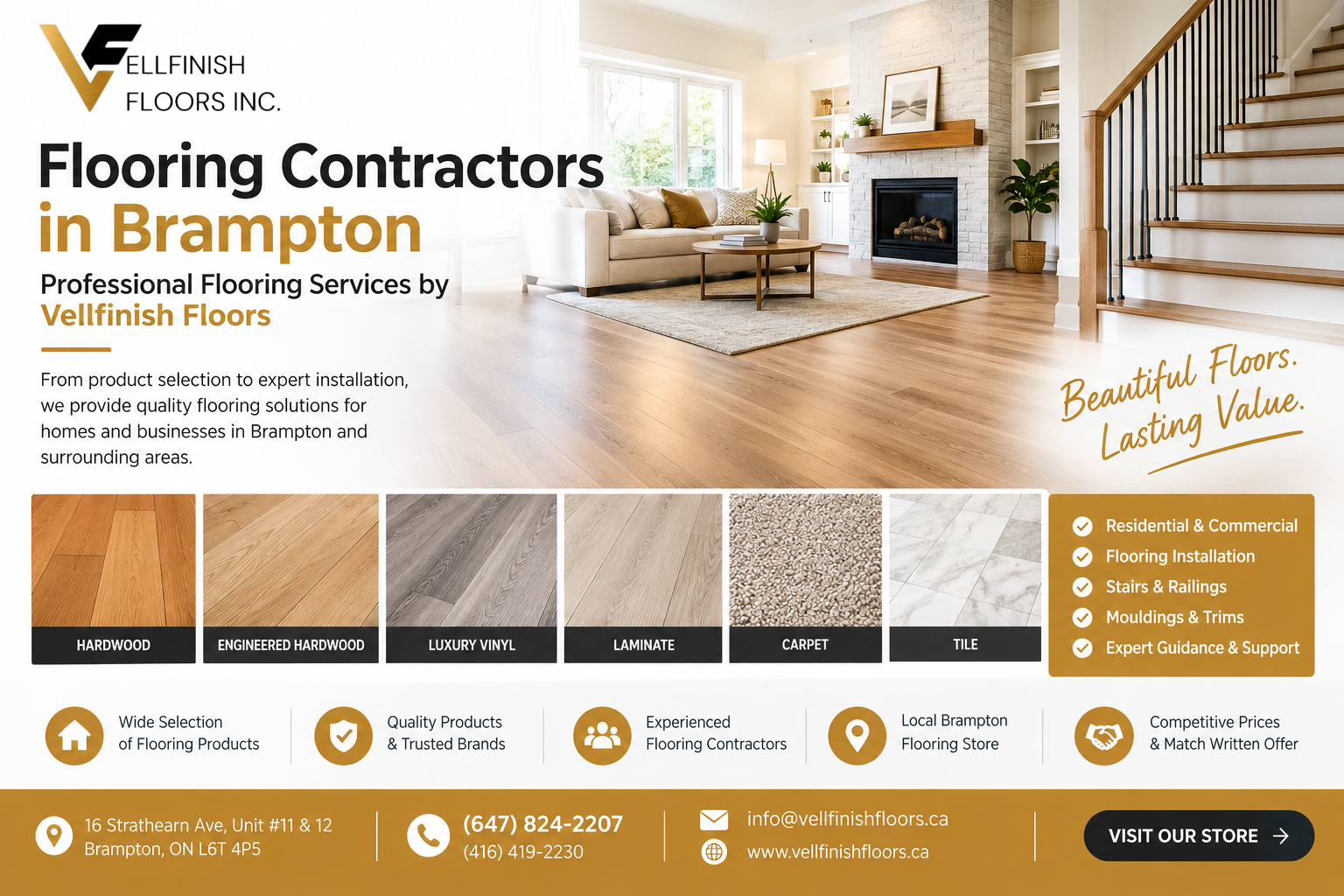
11. Where is Vellfinish Floors located?
Visit our showroom at:
Vellfinish Floors
16 Strathearn Ave, Unit #11 & #12 Brampton, ON L6T 4P5
Email: info@vellfinishfloors.ca
Mobile: (647) 824-2207
Phone: (416) 419-2230